Small Drip, Big Bill: The True Financial Cost of Ignoring Plumbing Leaks in Canada
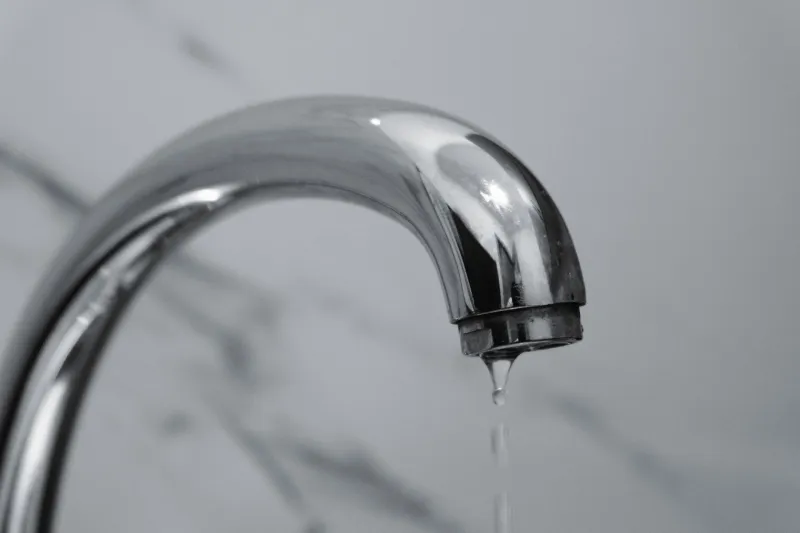
Let's be honest: most homeowners know when they have a leak. The faucet in the upstairs bathroom has been dripping for three months. The pipe fitting beneath the kitchen sink leaves a faint ring of moisture on the cabinet floor. The toilet runs for thirty seconds after every flush. These are not mysteries. They are inconveniences — and because they feel minor, they tend to stay at the bottom of the to-do list.
This is one of the most expensive habits a Canadian homeowner can develop.
The plumbing industry has documented this pattern for decades, and the financial consequences are not subtle. What begins as a drip becomes, over time, a cascade of compounding costs that extends well beyond the original repair. At AGR Plumbing, we see the results of deferred maintenance regularly, and the pattern is consistent: the longer a leak is ignored, the more it costs to resolve.
Here is exactly what that looks like in financial terms.
The Water Bill You Are Already Paying
The first cost is the most straightforward, and also the one most homeowners underestimate.
A faucet dripping at one drop per second wastes approximately 10,000 litres of water per year. In most Canadian municipalities, residential water rates range from roughly $1.50 to $3.50 per cubic metre (1,000 litres), depending on the city. That single dripping faucet is costing you between $15 and $35 annually in wasted water alone.
That number sounds modest — until you account for the fact that most homes with one visible leak have several others that are less obvious. A running toilet can waste between 200 and 700 litres per day. A slow leak beneath a sink or behind a wall may be releasing water continuously without any audible indication.
Canadian households with multiple unaddressed leaks routinely see water bills inflated by $100 to $400 per year above what they should be paying. Over a five-year period of inaction, that figure becomes significant — and it is entirely avoidable.
Water Damage: The Cost That Arrives Without Warning
Wasted water on your utility bill is inconvenient. Water damage to your home's structure is catastrophic.
Slow leaks are particularly dangerous because they allow moisture to accumulate in spaces that are not regularly inspected — inside walls, beneath subfloors, behind cabinetry. By the time a homeowner notices a stain on a ceiling or a soft spot in flooring, the damage is already extensive.
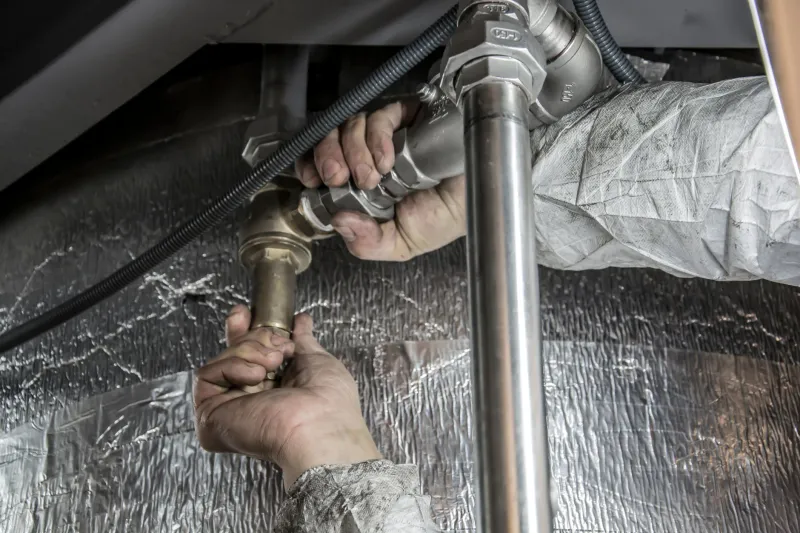
Consider a realistic scenario: a supply line fitting beneath a bathroom vanity develops a slow drip. The homeowner notices the cabinet interior feels slightly damp but assumes it is condensation. Six months later, the subfloor beneath the vanity has begun to rot. The drywall on the adjacent wall has absorbed enough moisture to require replacement. The repair now involves:
- Plumbing repair: $150–$400
- Subfloor replacement: $800–$2,500 depending on area
- Drywall repair and repainting: $400–$1,200
- Cabinetry reinstallation: $300–$800
A repair that would have cost under $400 at the point of detection has become a $1,700 to $4,900 project. This is not an unusual outcome. It is a common one.
Mould Remediation: The Expense Nobody Anticipates
Moisture and mould are inseparable. In Canada's variable climate, where homes are sealed tightly for energy efficiency during long winters, moisture that accumulates within wall cavities has limited opportunity to dry naturally. Mould can begin growing within 24 to 48 hours of a surface remaining wet, and once established, it spreads.
Mould remediation is not a DIY project in most cases, particularly when it involves structural materials or HVAC systems. Professional mould removal in a Canadian home typically costs between $1,500 and $6,000 for a contained area, and can exceed $15,000 when the contamination has spread through multiple rooms or into ductwork.
Beyond the financial cost, mould presents genuine health risks — particularly for households with children, elderly residents, or individuals with respiratory conditions. The combination of financial and health consequences makes this one of the most compelling arguments for addressing leaks promptly.
What Your Insurance Policy May Not Cover
Many homeowners assume that their property insurance will cover water damage if a leak causes significant harm. This assumption deserves careful scrutiny.
Most standard Canadian home insurance policies distinguish between sudden, accidental water damage and gradual water damage. A pipe that bursts unexpectedly is generally covered. A pipe that has been slowly leaking for months — particularly if the homeowner was aware of the issue — may not be.
Insurers increasingly include clauses that allow them to deny or reduce claims when evidence suggests the damage resulted from a known, unaddressed maintenance issue. If an adjuster determines that a leak was visible or detectable prior to the damage event, the claim may be partially or fully denied.
Beyond individual claims, a history of water damage claims can affect your insurance premiums at renewal. Some insurers will increase rates or add exclusions following repeated water-related claims, regardless of the cause.
The financial exposure here is not hypothetical. It is a documented pattern that affects Canadian homeowners every year.
The Hidden Cost of Deferred Repairs
There is one more cost category that rarely appears in any financial breakdown: the compounding effect of deferred repairs on a home's overall condition and resale value.
A home with visible water staining, evidence of past mould, or a history of plumbing neglect faces scrutiny during any inspection. Buyers and their inspectors are trained to look for these indicators, and when they find them, offers are reduced or conditions are added. In competitive markets like Toronto, Vancouver, or Calgary, a home that raises plumbing concerns can lose $10,000 to $30,000 in perceived value relative to a comparable property with clean maintenance records.
For homeowners who intend to sell within the next five to ten years, maintaining the plumbing system is not simply a matter of comfort — it is a direct investment in the property's market value.
What Proactive Maintenance Actually Costs
Contrast all of the above with the cost of proactive plumbing maintenance.
A professional plumbing inspection for a standard Canadian home typically ranges from $150 to $350, depending on the size of the property and the scope of the assessment. This inspection identifies active leaks, signs of corrosion, pressure irregularities, and fixtures approaching the end of their service life — before any of them become emergencies.
Addressing a dripping faucet: $75–$200. Replacing a worn supply line: $80–$180. Servicing a running toilet: $100–$250.
These are modest numbers when placed beside the costs outlined above. The financial case for proactive maintenance is not subtle — it is overwhelming.
The Bottom Line
Ignoring a minor leak is never free. It is a decision to pay more later, in a form you cannot control, at a time you cannot predict. For Canadian homeowners managing the demands of homeownership in a climate that already tests plumbing systems year-round, proactive attention to leaks is not optional maintenance — it is fundamental financial protection.
If you have a leak you have been putting off, this is your reminder that the cost of waiting is already accumulating. AGR Plumbing is here to help you address it before it becomes a much larger conversation.