When the Ground Wakes Up: Navigating Spring Thaw Plumbing Risks in Canadian Homes
For most Canadians, the arrival of spring carries a sense of relief. The worst of winter is behind us, temperatures are climbing, and the snow is finally retreating. But for homeowners across the country, spring thaw represents something else entirely: a critical window during which the plumbing system faces some of its most intense seasonal stress.
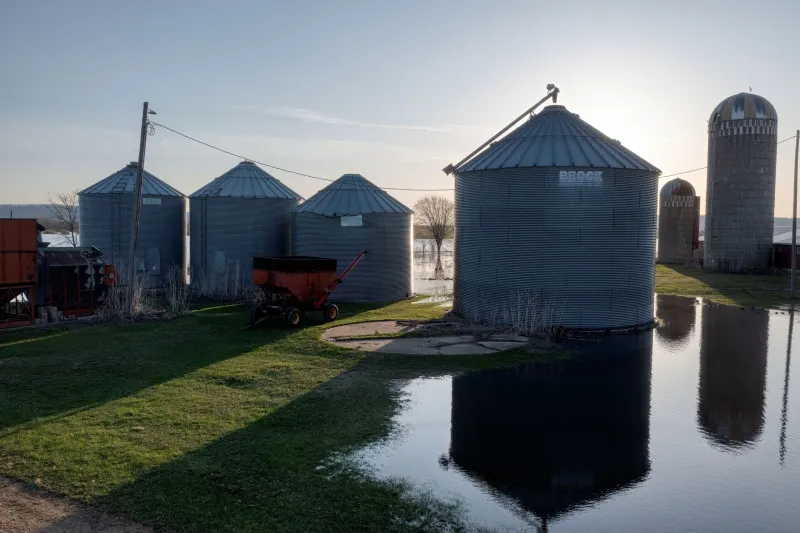
Unlike the slow, predictable challenges of summer or the well-publicised risks of deep winter, the spring thaw arrives quickly and unpredictably. Ground that has been frozen solid for months begins releasing enormous volumes of water, soil shifts under foundations, and pipes that survived winter intact suddenly face new pressures. The result, for many Canadian homeowners, is an unexpected and expensive emergency.
At AGR Plumbing, we work with homeowners from coast to coast, and spring consistently produces some of the most urgent service calls of the year. Understanding why this season is so demanding — and what you can do to prepare — is the first step toward protecting your home.
Why the Spring Thaw Is Uniquely Demanding for Canadian Homes
Canada's climate is not uniform. A homeowner in Winnipeg faces different thaw conditions than one in Vancouver or Halifax. However, across all regions, the fundamental challenge is the same: frozen ground holds water. When that ground thaws, it releases moisture in concentrated amounts over a relatively short period.
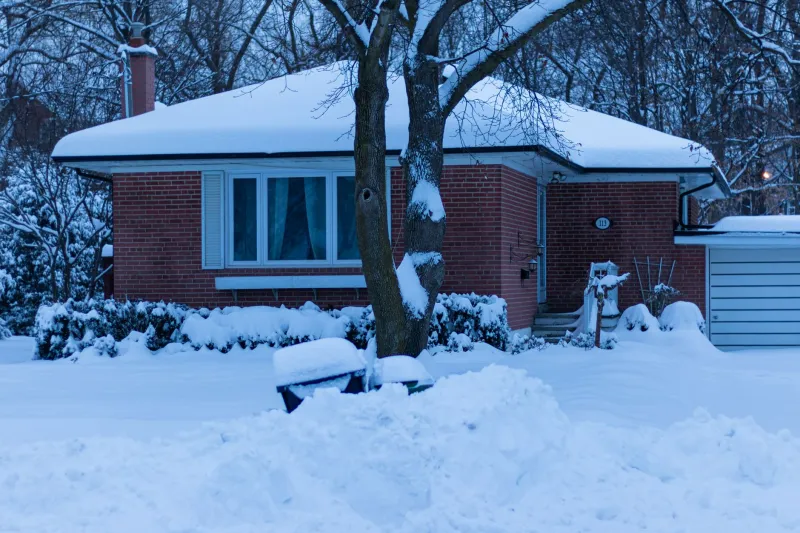
In provinces like Ontario, Quebec, and Manitoba, where frost can penetrate the ground to depths of one metre or more, the volume of water released during thaw is substantial. This water has nowhere to go quickly. It saturates the soil around foundations, finds its way into basement walls through hairline cracks, and overwhelms drainage systems that were designed for more gradual moisture levels.
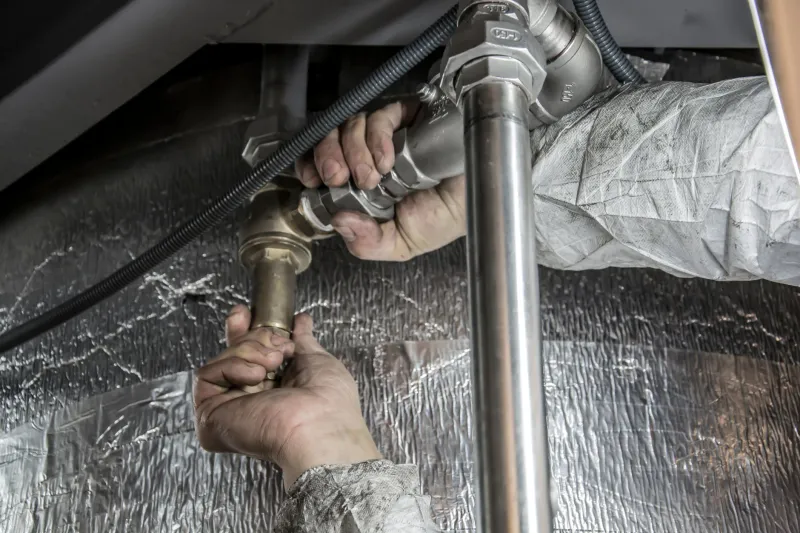
At the same time, pipes that endured months of freezing temperatures may have developed micro-fractures — damage that was not severe enough to cause an immediate burst in winter but becomes a failure point when water pressure normalises in spring.
Sump Pump Failure: The Silent Emergency
Of all the spring thaw risks, sump pump failure is among the most common and the most disruptive. Sump pumps are designed to remove groundwater that accumulates in a home's lowest level, typically the basement. During spring thaw, these systems work harder than at any other time of year.
The problem is that many homeowners do not test or service their sump pump after the winter season. A pump that sat dormant for months may have a stuck float, a clogged intake, or a motor that has simply reached the end of its service life. When the thaw arrives and groundwater levels rise rapidly, an untested pump is a liability.
A failed sump pump during peak thaw conditions can result in several centimetres of standing water in a basement within hours. The downstream costs — damaged flooring, compromised drywall, furniture loss, and potential mould remediation — can reach into the thousands of dollars.
Before thaw conditions arrive, take the following steps:
- Pour water into the sump pit to verify the float trigger activates the pump.
- Inspect the discharge pipe to confirm it is clear of ice and debris.
- Consider installing a battery backup unit to maintain protection during power outages, which are common during spring storms.
- If the pump is more than seven to ten years old, consult a licensed plumber about replacement before the season begins.
Basement Flooding and Foundation Seepage
Even homes with functioning sump pumps can experience water intrusion during an aggressive thaw. Foundations settle over time, and the freeze-thaw cycle accelerates this process. Concrete blocks and poured foundations alike develop small cracks that may be invisible to the untrained eye but serve as entry points for saturated soil water.
In regions like Southern Ontario and the lower Fraser Valley in British Columbia, where rapid temperature swings are common in early spring, this cycle can be particularly severe. A foundation that appears sound in January may show active seepage by April.
Homeowners should inspect their basement walls and floor at the first sign of thaw, looking for:
- Efflorescence (white, chalky deposits on concrete, indicating water movement through the wall)
- Damp patches or visible moisture streaks
- A musty odour, which often precedes visible mould growth
- Cracks wider than a hairline, particularly horizontal cracks in block foundations, which can indicate structural pressure
If any of these signs are present, professional assessment is strongly advised before the situation worsens.
Outdoor Plumbing and Irrigation Systems
Spring is also the season when homeowners reconnect outdoor hose bibs and reactivate irrigation systems. This transition carries its own risks. If an outdoor tap was not properly winterised — meaning residual water remained in the line — it may have sustained internal damage that becomes apparent only when water pressure is restored.
A cracked hose bib or a split irrigation line can allow water to flow into wall cavities or beneath landscaping before the leak is ever noticed. In many cases, the damage accumulates for days before a homeowner realises something is wrong.
Before restoring water to any outdoor fixture, visually inspect the bib for frost damage, turn the water on slowly, and monitor the surrounding wall area for any signs of moisture. If you are uncertain about the condition of your irrigation system, a spring startup inspection by a qualified plumber is a worthwhile investment.
The Role of Drainage in Thaw Preparedness
Effective drainage is the foundation of spring thaw protection. Gutters and downspouts that are blocked with debris from fall will redirect snowmelt toward the foundation rather than away from it. Window wells without adequate gravel drainage can accumulate water and push it against basement windows.
Before the snow disappears entirely, clear your gutters, confirm that downspout extensions direct water at least 1.5 metres from the foundation, and check that your property grades away from the house. These simple measures dramatically reduce the volume of water your foundation must manage during peak thaw.
When to Call a Professional
Not every spring plumbing issue is a do-it-yourself repair. Persistent basement seepage, recurring sump pump failures, or any sign of pipe damage inside walls should be assessed by a licensed plumber. Attempting to patch foundation cracks or replace sump pump components without the proper knowledge can create secondary problems or provide only a temporary fix.
At AGR Plumbing, our team provides thorough spring readiness assessments for residential properties across Canada. Whether you are dealing with an active emergency or simply want the confidence of knowing your system is prepared, professional guidance at this time of year pays dividends.
Spring is a season of renewal — but only if your home's plumbing is ready to meet it.