Before the Cold Hits: A Canadian Homeowner's Definitive Guide to Preventing Frozen Pipes
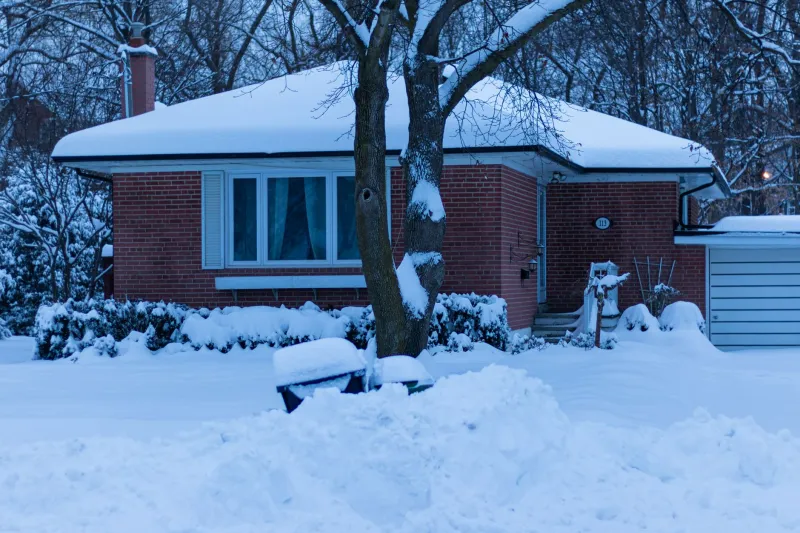
Every year, thousands of Canadian homeowners discover the hard way that a single frozen pipe can cause thousands of dollars in water damage within hours. A burst pipe does not discriminate — it affects century-old homes in Quebec City just as readily as newly built townhouses in Calgary. What separates a costly disaster from a manageable winter is preparation, and that preparation must begin long before the first frost arrives.
At AGR Plumbing, we work with homeowners from coast to coast, and we understand that Canada's climate is far from uniform. The strategies that protect a home in Kelowna differ meaningfully from those required in Winnipeg or Thunder Bay. This guide is designed to account for that diversity.
Understanding Why Pipes Freeze — and Where It Happens Most
Water expands as it freezes. When that expansion occurs inside a rigid pipe, the pressure buildup can rupture the pipe wall, sometimes in locations that are not immediately visible. The damage often reveals itself only after the thaw, when water begins flowing again.
The most vulnerable pipes are those located in areas with minimal heat exposure: exterior walls, unheated crawl spaces, garages, attics, and spaces beneath kitchen or bathroom cabinets positioned against outside-facing walls. In older Canadian homes — particularly those built before modern insulation standards — these vulnerabilities are far more common.
Temperature thresholds matter. Research consistently indicates that pipes begin to freeze when ambient temperatures around uninsulated pipes drop to approximately -6°C or lower. In prairie provinces, sustained temperatures of -30°C and colder are not exceptional, meaning even moderately insulated pipes can be at risk during extended cold snaps.
Regional Considerations Across Canada
British Columbia (Coastal and Interior) Coastal BC homeowners often underestimate winter pipe risks precisely because temperatures rarely dip to extremes. However, the combination of high moisture levels and occasional cold snaps — particularly in the Fraser Valley and on Vancouver Island — creates conditions where pipes in poorly insulated spaces can freeze unexpectedly. Interior BC communities such as Kamloops and Kelowna experience far colder winters, and homeowners there should treat pipe protection with the same rigour as prairie residents.
Prairie Provinces (Alberta, Saskatchewan, Manitoba) This region represents the most demanding environment for residential plumbing in Canada. Extended periods below -20°C are common, and wind chill can dramatically accelerate heat loss from exposed or under-insulated pipes. In these provinces, pipe insulation alone is often insufficient — active heating measures are typically necessary for the most exposed sections.
Ontario and Quebec Urban centres like Toronto and Montreal experience cold winters with significant freeze-thaw cycling, which can stress pipe joints and fittings even when temperatures do not reach extreme lows. Older housing stock in these provinces often features plumbing routed through exterior walls with inadequate insulation, making inspection and remediation particularly important.
Atlantic Canada Nova Scotia, New Brunswick, PEI, and Newfoundland experience a combination of cold temperatures and high humidity. Damp conditions can degrade pipe insulation over time, reducing its effectiveness. Annual inspection of insulation in crawl spaces and basement rim joists is especially advisable in this region.
Insulation: Your First and Most Reliable Defence
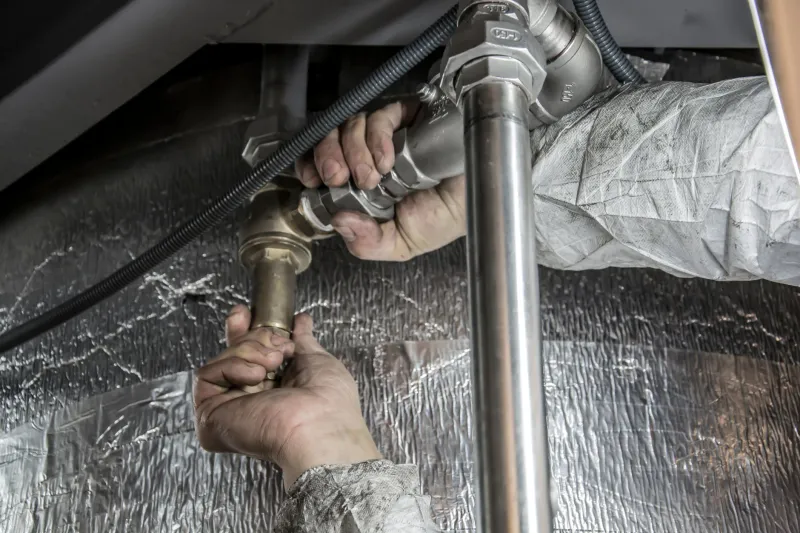
Pipe insulation is the foundational element of any freeze-prevention strategy. Foam pipe insulation sleeves — available at most Canadian hardware retailers — are inexpensive, straightforward to install, and effective for the majority of household applications. They are sold in standard lengths and can be cut to fit with a utility knife.
For pipes in exceptionally cold spaces, fibreglass pipe wrap or rubber insulation with higher R-values offers superior protection. Pay particular attention to:
- Pipes running along exterior walls in unfinished basements
- Supply lines in unheated garages
- Any plumbing that passes through crawl spaces without vapour barriers
- Outdoor hose bibb connections
When insulating, ensure that the insulation is sealed at joints with appropriate tape. Gaps, even small ones, can allow cold air to contact the pipe surface and initiate freezing.
Heat Tape: When Insulation Alone Is Not Enough
Electric heat tape — also referred to as heat cable — is a practical solution for pipes in areas where insulation cannot adequately compensate for the surrounding temperature. It is particularly well-suited to water supply lines in unheated crawl spaces, pipes running through attached garages, and any section of pipe that has previously frozen.
There are two primary types of heat tape available to Canadian homeowners:
- Constant-wattage heat tape — operates continuously when plugged in and is best suited to areas with consistent cold exposure.
- Self-regulating heat tape — adjusts its heat output based on the ambient temperature, making it more energy-efficient and appropriate for areas with variable conditions.
Installation should follow the manufacturer's instructions carefully. Heat tape must never overlap itself, as this creates a fire risk. It should be applied in a spiral or straight configuration depending on the product specifications, and must be connected to a grounded outlet. For peace of mind, professional installation by a licensed plumber is strongly recommended, particularly in older homes where electrical systems may require assessment.
Emergency Thawing: What to Do When a Pipe Freezes
Despite the best preparations, freezing can still occur. If you turn on a tap and receive only a trickle or no water at all during cold weather, a frozen pipe is a likely cause. Act promptly — a frozen pipe that has not yet burst can often be thawed safely.
Steps to take:
- Open the affected tap before beginning to thaw, so that steam and water have an exit point as the ice melts.
- Apply gentle heat to the suspected frozen section. A hair dryer, electric heating pad, or warm towels are all appropriate tools. Begin at the tap end and work toward the coldest section.
- Never use an open flame, including propane torches. This introduces serious fire risk and can damage pipe materials.
- Monitor the process. If water does not begin flowing within a reasonable period, or if you cannot locate the frozen section, contact a licensed plumber immediately.
- Inspect the pipe for cracks or splits after thawing. Even hairline fractures will worsen and should be addressed professionally.
If a pipe has already burst, shut off the main water supply valve immediately and contact a plumber. Knowing the location of your main shutoff valve before an emergency occurs is one of the simplest and most valuable steps any homeowner can take.
Cost-Effective Prevention Strategies
Protecting your plumbing does not require significant expenditure. Several practical measures carry minimal cost:
- Keep interior temperatures consistent. Setting thermostats no lower than 13°C — even when the home is unoccupied — reduces the risk of pipes freezing in interior spaces.
- Allow taps to drip. During extreme cold events, allowing a slow trickle from taps connected to vulnerable pipes keeps water moving and reduces pressure buildup from freezing.
- Disconnect and drain outdoor hoses. Water left in exterior hose bibbs and connected hoses can freeze and force ice back into interior supply lines.
- Seal gaps and cracks in exterior walls. Cold air infiltration through foundation cracks, pipe penetrations, and electrical conduit openings dramatically increases freeze risk. Spray foam or caulking can close these gaps effectively.
- Schedule an annual pre-winter plumbing inspection. A qualified plumber can identify vulnerable sections, assess insulation condition, and recommend targeted improvements before temperatures drop.
Final Thoughts
Canada's winters demand respect, and your home's plumbing system is among the first things to suffer when preparation is lacking. The good news is that the vast majority of frozen pipe incidents are preventable with modest investment and timely action. Whether you are preparing a home in coastal Victoria or bracing for another prairie winter in Regina, the principles outlined here will serve you well.
If you have questions about your home's specific vulnerabilities or would like a professional assessment before the season changes, the team at AGR Plumbing is ready to assist. Trusted plumbing solutions across Canada — that is not simply our tagline. It is our commitment to every homeowner we serve.