Permits, Consequences, and the Line Between Legal and Illegal Plumbing Work in Canada

The Allure of the DIY Plumbing Project
Basement bathroom additions. Utility sink rough-ins. Laundry room relocations. These are the kinds of projects that appear routinely on Canadian home renovation wish lists, and they are the kinds of projects that tempt many homeowners to reach for a wrench before reaching for a permit application.
The logic is understandable. Plumbing work is expensive. Licensed plumbers are in high demand across much of the country, and wait times for residential service can stretch into weeks. Online tutorials make even complex rough-in work appear straightforward. And for homeowners who are genuinely handy, the mechanical aspects of basic plumbing are not always beyond reach.
What those tutorials rarely address is the regulatory dimension — the question of whether the work is legally permissible without a permit, and what happens if it is not. In Canada, the answers to those questions vary by province, by municipality, and by the specific nature of the work. Understanding the framework before you begin is not bureaucratic caution; it is practical self-protection.
What the National Building Code Actually Says
Canada does not have a single, unified plumbing code that applies uniformly from Victoria to St. John's. The National Plumbing Code of Canada (NPC) is a model code published by the National Research Council, but it only becomes law when adopted — in whole or with amendments — by a province or territory. Each jurisdiction makes its own adoption decisions, and the result is a patchwork of requirements that can differ meaningfully from one province to the next.
Ontario, for example, operates under the Ontario Building Code, which incorporates plumbing requirements and defines the scope of work that requires a permit. British Columbia follows the BC Plumbing Code, which is based on the NPC but includes provincial amendments. Alberta, Quebec, and the remaining provinces each maintain their own regulatory instruments.
What is consistent across virtually all Canadian jurisdictions is this: any new plumbing installation, any extension or alteration of the drainage or supply system, and any work that involves opening walls or floors to access rough-in plumbing requires a permit and, in most cases, must be performed by or under the supervision of a licensed plumber.
What Homeowners Can Typically Do Without a Permit
The scope of permissible homeowner work — work that does not require a permit or a licensed contractor — is narrower than many people assume, but it is not negligible. Across most Canadian provinces, homeowners are generally permitted to perform like-for-like repairs on existing fixtures without a permit. This typically includes:
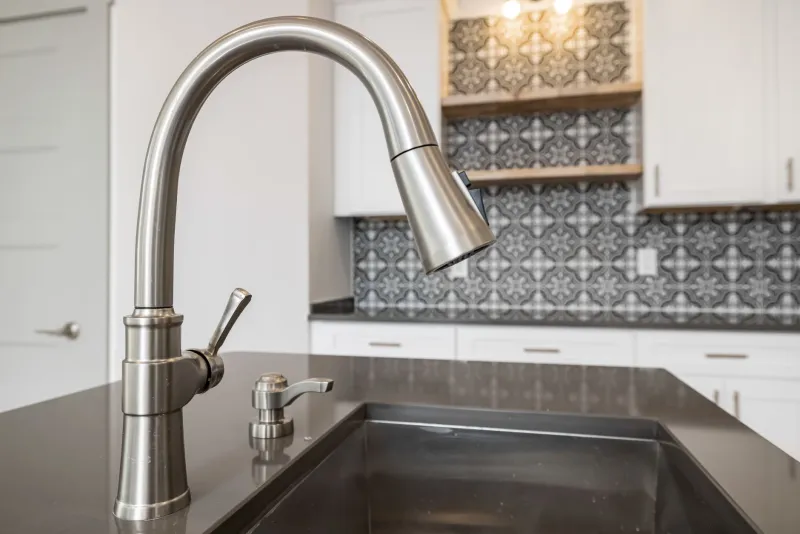
- Replacing a faucet with a comparable unit on an existing supply connection
- Swapping a toilet for a new model on an existing rough-in
- Replacing a showerhead, P-trap, or supply stop valve
- Clearing drain blockages and performing routine maintenance
- Replacing a water heater in kind, in some jurisdictions (though this is increasingly restricted)
The operative principle in most codes is that work which does not alter the configuration of the plumbing system — which does not change the routing of pipes, add new fixtures, or affect the venting or drainage layout — is less likely to require a permit. However, even this principle is applied inconsistently, and homeowners should verify the specific requirements of their municipality before proceeding.
It is also worth noting that homeowner-performed work, even when permitted, may not carry the same warranty protections as professionally installed systems. If a homeowner-installed fixture fails and causes water damage, insurance coverage may be affected.
The Permit-Required Zone: Where DIY Becomes Illegal
The category of work that consistently requires both a permit and a licensed contractor in Canadian jurisdictions includes:
New rough-in plumbing. Adding a bathroom, wet bar, or laundry facility in a basement or previously unplumbed space requires a permit in every province. This work involves extending the drainage, venting, and supply systems — changes that affect the integrity of the entire plumbing network and must be inspected.
Drain and vent alterations. Modifying the slope, routing, or venting configuration of existing drain lines is regulated work. Improper venting is among the most common sources of sewer gas infiltration and drain performance problems in Canadian homes — exactly the kind of consequence that permit requirements are designed to prevent.
Water service and sewer connections. Any work that touches the building's connection to the municipal water supply or sewer system is tightly regulated, typically requires coordination with the local utility, and must be performed by a licensed contractor.
Gas-fired water heater replacements. In most provinces, replacing a gas water heater requires both a plumbing permit and a gas fitting permit, with inspections required before the appliance is put back into service. This is an area where homeowner DIY is explicitly prohibited in many jurisdictions.
Hydronic heating system modifications. Any alteration to in-floor radiant heating or hot water baseboard systems that involves plumbing connections falls within regulated territory.
The Real Consequences of Unpermitted Work
The consequences of proceeding without a required permit are not hypothetical. They are documented, recurring, and in some cases financially devastating.
Home sale complications. When a property is sold in Canada, buyers' lawyers and home inspectors routinely check whether building permits were obtained and closed for any renovation work. Unpermitted plumbing work — a basement bathroom added without a permit, a rough-in completed without inspection — can delay or derail a sale. Buyers may demand that the work be brought into compliance before closing, which often means opening walls for inspection. In some cases, non-compliant work must be removed and redone entirely.
Insurance claim denials. If a plumbing failure occurs in a system that was installed without a permit, your insurer has grounds to deny the resulting damage claim. Most property insurance policies contain provisions that exclude coverage for losses arising from unpermitted or non-code-compliant work. A burst pipe in an unpermitted basement bathroom could leave you facing the full cost of structural drying, mould remediation, and reconstruction without insurance support.
Municipal orders to comply. Municipalities have the authority to issue orders requiring homeowners to bring unpermitted work into compliance. These orders can require that walls be opened, work be inspected, and non-compliant installations be corrected — at the homeowner's expense and on the municipality's timeline.
Safety risks. Permit requirements exist because improperly installed plumbing poses genuine safety risks. Inadequate venting allows sewer gas — including hydrogen sulphide and methane — to infiltrate living spaces. Incorrect drain slopes create chronic blockage points. Cross-connections between supply and drain systems can introduce contamination into potable water. These are not theoretical concerns; they are the documented outcomes of work that bypasses the inspection process.
Navigating the Permit Process
For homeowners who want to undertake plumbing projects within the legal framework, the permit process is less burdensome than its reputation suggests.
Most municipalities accept permit applications online or in person at the building department. For residential plumbing work, the application typically requires a description of the scope of work, a basic plan or diagram of the proposed installation, and the applicable fee — which varies by municipality but is generally modest relative to the total project cost.
Once a permit is issued, the work is subject to one or more inspections at defined stages — commonly a rough-in inspection before walls are closed, and a final inspection upon completion. Inspectors are not adversaries; their role is to confirm that the work meets code and to identify any corrections before they become embedded in the structure of the home.
For projects that require a licensed plumber, the contractor will typically manage the permit application as part of their service. Homeowners should confirm this expectation explicitly before work begins, and should request a copy of the permit and inspection records for their files.
The Informed Approach
The decision to undertake plumbing work yourself is not simply a question of skill — it is a question of legal standing, insurance coverage, and long-term property value. Before beginning any project that involves your home's plumbing system, contact your municipal building department to confirm what is permitted, what requires a permit, and what must be done by a licensed professional.
At AGR Plumbing, we regularly assist homeowners in understanding the regulatory landscape before projects begin — not to discourage initiative, but to ensure that the work you invest in protects rather than complicates your home. A conversation before you start is always easier than a compliance order after the fact.