Why Two Identical Repairs Can Carry Vastly Different Price Tags Across Canada

Few conversations generate more frustration among Canadian homeowners than comparing plumbing repair bills. One household pays $320 to have a leaking shut-off valve replaced; another, two streets away, receives an invoice for $610 for what appears to be the same job. The discrepancy feels arbitrary, perhaps even dishonest. In most cases, however, a coherent set of economic, geographic, and logistical forces is at work — forces that every homeowner deserves to understand before calling a plumber or signing an estimate.
Labour Rates Are Not Uniform Across the Country
Canada spans six time zones and encompasses municipalities with dramatically different costs of living. A licensed journeyman plumber working in downtown Toronto or Vancouver operates in a market where overhead — rent, insurance, vehicle costs, apprentice wages — is substantially higher than it is for a comparable tradesperson in Lethbridge or Sault Ste. Marie. Those overhead differences are reflected directly in billable hourly rates.
Provincial apprenticeship structures also vary. In some provinces, the ratio of licensed journeymen to apprentices permitted on a job site differs, affecting how efficiently labour can be deployed and, consequently, how much a single-technician call costs. Collective agreements in certain urban centres further establish wage floors that independent contractors in rural areas are not bound by. None of this reflects a lack of skill or value — it simply reflects the market in which a plumber operates.
Material Availability and Supply Chain Realities
Plumbing materials — fittings, valves, pipe sections, water heater components — are not priced identically from coast to coast. Distribution networks tend to concentrate inventory in major metropolitan areas. A plumber in a remote northern community or a smaller Atlantic province town may need to source specialty parts from a distant supplier, absorbing freight costs and lead times that their counterparts in Calgary or Ottawa simply do not face.
Seasonal demand compounds this issue. During a cold snap that triggers widespread pipe bursts across a region, local supply of specific fittings can become temporarily depleted, driving up spot prices. A homeowner dealing with an emergency in February in Winnipeg may pay a premium for parts that would cost considerably less during a mild autumn in the same city.
Municipal Code Requirements Add Layers of Complexity
Canada's National Plumbing Code provides a baseline framework, but provincial and municipal amendments are common, and they carry real cost implications. In some jurisdictions, a water heater replacement requires a permit, an inspection, and specific venting configurations that differ from what a neighbouring municipality mandates. The administrative time a plumber invests in pulling permits, scheduling inspections, and meeting local code specifics is billable time — and it varies meaningfully by location.
Older urban neighbourhoods often present additional code-compliance challenges. A repair that appears straightforward may require bringing adjacent work up to current standards once a wall is opened, particularly in homes built before modern plumbing codes were established. Homeowners in heritage districts or pre-1970s housing stock should anticipate this possibility when budgeting for any significant repair.
Accessibility Challenges Drive Up Labour Hours
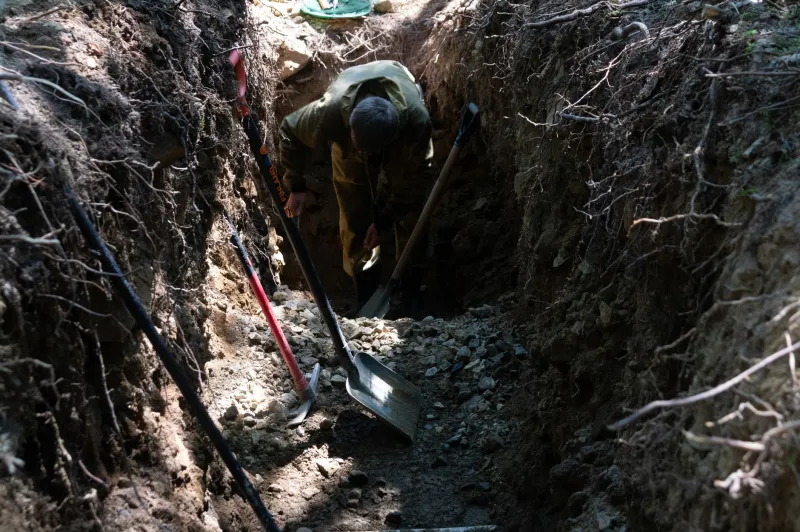
The physical conditions of a job site are among the most underappreciated cost drivers in plumbing. A leak behind an easily accessed panel in a modern condominium is a fundamentally different undertaking than the same leak buried beneath a concrete slab in a 1950s bungalow, or located within the crawlspace of a rural property with restricted clearance.
Accessibility affects not only the time required to complete the work but also the tools and techniques required. Pipe relining, camera inspection, or hydro-jetting equipment may be necessary where straightforward physical access is not possible. Each of these services carries its own cost structure. When comparing quotes, it is worth asking specifically how the plumber assessed access conditions, as this factor alone can account for significant invoice variation.
Seasonal Demand and Emergency Premiums
Timing matters enormously in the Canadian plumbing market. The late autumn rush — when homeowners scramble to winterise properties before the first hard freeze — and the spring thaw period, when burst pipes and sump pump failures peak, represent the two highest-demand seasons for residential plumbing services. During these windows, many reputable firms operate at full capacity, and after-hours or emergency call rates apply more frequently.
An emergency call at 11 p.m. on a January night will almost universally cost more than the same repair scheduled for a Tuesday morning in September. This is not opportunism; it reflects the genuine cost of maintaining on-call availability, overtime labour obligations, and the logistical complexity of emergency dispatch. Homeowners who can schedule non-urgent repairs during lower-demand periods often realise meaningful savings.
What You Can Do: Practical Strategies for Fair Pricing
Understanding why prices vary is useful; knowing how to navigate those variations is more so. The following approaches can help Canadian homeowners obtain fair, transparent quotes.
Request itemised estimates. A professional plumber should be able to break down labour hours, material costs, and any applicable fees separately. A single lump-sum figure makes it difficult to identify where costs originate or to compare competing quotes meaningfully.
Obtain at least two quotes for non-emergency work. For repairs that are not time-sensitive, contacting two or three licensed plumbers allows for genuine price comparison. Be cautious, however, of quotes that are dramatically lower than others — they may reflect unlicensed work, the use of substandard materials, or an incomplete scope assessment.
Ask about permit requirements upfront. If a permit is required for your repair or installation, confirm whether the quoted price includes permit fees and inspection scheduling. Some firms quote labour and materials only, leaving permit costs as a separate line item that surprises homeowners at invoice time.
Inquire about scheduling flexibility. If your situation permits, ask whether booking during off-peak hours or non-emergency windows would reduce the overall cost. Many firms offer different rate structures for scheduled versus emergency calls.
Verify licensing and insurance. Choosing a licensed, insured plumber is not merely a quality consideration — it is a financial protection measure. Work performed by unlicensed contractors may not meet code, potentially requiring costly remediation and creating liability complications with home insurers.
Understand your home's specific conditions. Before a plumber arrives, note the age of your home, the location of the problem, and any known access constraints. The more clearly you can describe the situation, the more accurately a plumber can assess scope and provide a reliable estimate rather than a preliminary figure subject to revision.
Transparency as the Standard
The plumbing industry, like any skilled trade, operates within a framework of genuine complexity. Regional economics, regulatory environments, material supply chains, and site-specific conditions all interact to produce the price on your invoice. That complexity does not, however, excuse vague or unexplained billing. A trustworthy plumbing provider will always be prepared to explain the components of an estimate and to answer questions about scope, materials, and applicable fees.
At AGR Plumbing, we believe that informed homeowners make better decisions and build more productive relationships with their service providers. Understanding the mechanics of plumbing pricing is not about distrust — it is about approaching one of your home's most essential systems with the clarity and confidence you deserve.