Silent Invaders Below Ground: How Tree Roots Compromise Canadian Sewer Lines and What Homeowners Can Do
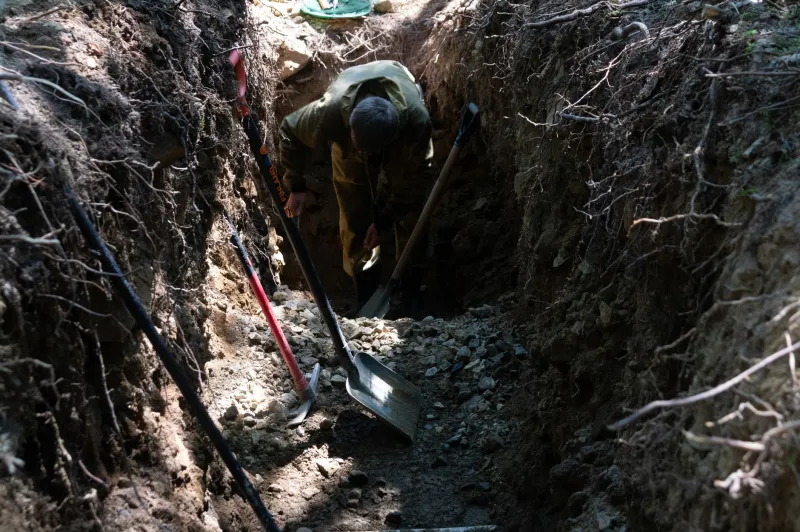
There is a slow, largely invisible process unfolding beneath the lawns of older Canadian neighbourhoods each spring. As soil temperatures rise and moisture becomes available following the thaw, tree root systems extend outward in search of nutrients and water. For properties where mature trees stand in proximity to buried sewer lines, that search frequently ends inside the pipes themselves — with consequences that range from persistent slow drains to complete sewer failure.
Tree root infiltration is one of the most underreported causes of residential plumbing damage in Canada, in part because it develops gradually and its early symptoms are easy to dismiss. By the time a homeowner notices a significant problem, the root mass inside the pipe may already be substantial. Understanding the mechanics of this process, and acting before spring growth cycles accelerate it, is among the more important things a property owner in this country can do to protect their plumbing infrastructure.
Why Tree Roots Target Sewer Pipes
Sewer lines present an ideal environment for root growth. Even a pipe in good condition emits trace amounts of warm, nutrient-rich vapour through small joints, hairline cracks, or deteriorating seals. To a root system, that signal is effectively an invitation. Once a fine feeder root locates an entry point — often no larger than a pinhole — it exploits the moisture inside and begins to grow rapidly within the pipe.
Older clay and cast iron pipes, which remain common in homes built before the 1980s across cities like Toronto, Winnipeg, Halifax, and Vancouver, are particularly susceptible. Their segmented construction relies on jointed connections that shift incrementally over decades of freeze-thaw cycling. Each small movement widens the gap just enough for roots to enter. PVC pipes are more resistant, but they are not immune — especially where installation was imperfect or ground movement has stressed the joints.
The problem is further compounded by Canada's climate. The pronounced seasonal cycle of freezing and thawing causes soil to expand and contract repeatedly, gradually displacing both the pipes and the root systems growing around them. What begins as a hairline gap can become a significant breach over several winters.
Recognising the Warning Signs
Because root infiltration develops over months or years, its early indicators are subtle. Homeowners should treat the following symptoms with seriousness rather than assuming they reflect minor, isolated issues.
Recurring slow drains throughout the home. When multiple fixtures — sinks, bathtubs, and toilets — drain sluggishly at the same time, the obstruction is almost certainly in the main sewer line rather than in individual branch pipes. Root masses accumulate debris and create partial blockages that worsen progressively.
Gurgling sounds from drains or toilets. Air displacement caused by a partial obstruction often produces audible gurgling, particularly after flushing or draining large volumes of water. This sound, especially when it occurs at fixtures distant from the one being used, warrants investigation.
Unexplained wet patches or unusually lush grass. A section of lawn that remains consistently greener or softer than surrounding areas — particularly along the path of the sewer line from the house to the municipal connection — may indicate a breach allowing effluent to seep into the soil.
Sewage odours inside or near the foundation. Any persistent smell of sewage that cannot be attributed to a dry trap or obvious source should prompt a professional inspection of the main line.
Frequent sewer backups. If your home has experienced more than one sewer backup in a relatively short period, root infiltration is among the most likely explanations and should be investigated before the next occurrence.
The Role of Spring in Accelerating Root Damage
Spring is the critical season for root-related sewer damage in Canada. As ground temperatures climb following winter, dormant root systems resume aggressive growth. Any roots that established themselves within a pipe over the previous season will expand significantly during this period, transitioning from a minor obstruction to a serious blockage in a matter of weeks.
This seasonal pattern has a practical implication: the period between late winter and early spring — before the ground fully thaws and root activity accelerates — is the optimal window for inspection and preventative treatment. Addressing a modest root presence in February or March is considerably less disruptive and expensive than responding to a complete blockage or pipe failure in May.
Assessment and Diagnosis
A professional sewer camera inspection is the most reliable way to evaluate the condition of a main sewer line. A waterproof camera is fed through a cleanout access point and transmits live footage of the pipe interior, revealing root intrusion, cracks, displaced joints, and accumulated debris with precision. This process is non-invasive and provides the information necessary to determine the appropriate course of action.
For properties with mature trees — particularly willows, poplars, silver maples, and other species known for aggressive root systems — periodic camera inspections every two to three years represent a sound preventative measure, even in the absence of obvious symptoms.
Solutions: From Maintenance to Full Rehabilitation
The appropriate response to root infiltration depends on the extent of the problem identified during inspection.
Mechanical cutting and hydro-jetting. For early-stage infiltration where roots are present but the pipe remains structurally sound, mechanical root cutters and high-pressure water jetting can clear the obstruction effectively. This is a maintenance measure rather than a permanent solution — roots will regrow — but it restores flow and buys time for more comprehensive intervention.
Chemical root inhibitors. Foaming root inhibitor treatments, applied through a cleanout or toilet, coat the interior of the pipe with compounds that discourage root growth without harming the surrounding trees. These treatments are most effective when applied following a mechanical clearing and are typically repeated on an annual basis. They are best regarded as a management tool rather than a cure.
Trenchless pipe lining (CIPP). Cured-in-place pipe lining involves inserting a flexible resin-saturated liner into the existing pipe and inflating it against the pipe walls, where it cures into a smooth, seamless interior surface. The result is effectively a new pipe within the old one, with no joints for roots to exploit. This method is minimally invasive, preserving landscaping and hardscaping, and is well-suited to Canadian urban properties where excavation would be disruptive or costly.
Pipe bursting. Where the existing pipe is too deteriorated for lining, trenchless pipe bursting uses a hydraulic head to fracture the old pipe outward while simultaneously pulling a new pipe into its place. This approach replaces the line entirely with minimal digging.
Traditional excavation and replacement. In cases of severe structural damage, complete pipe collapse, or where trenchless methods are not feasible, open excavation remains the appropriate solution. While more disruptive, it allows for full inspection of the surrounding soil and the installation of root barriers during backfill.
Root barriers. For properties undergoing landscaping work or sewer line replacement, physical root barrier membranes installed in the soil adjacent to the pipe can redirect root growth away from the line. This is a preventative measure most practical during construction or renovation rather than as a retrofit.
A Note on Municipal Responsibility
In most Canadian municipalities, the property owner is responsible for the sewer lateral — the section of pipe running from the home to the municipal connection at the property line. The municipality maintains the main sewer line beyond that point. Homeowners should confirm the precise boundary of their responsibility with their local authority, as this determines who bears the cost of repairs in different sections of the system.
Taking Action Before the Ground Thaws
Tree root infiltration is not a problem that resolves on its own. Left unaddressed, a modest root mass will become a substantial blockage, and a hairline crack will become a fractured pipe. The good news is that early intervention is both straightforward and cost-effective relative to emergency repairs.
For homeowners in established neighbourhoods — particularly those with older clay or cast iron laterals and mature deciduous trees on or adjacent to the property — a sewer camera inspection scheduled ahead of the spring growing season is a prudent and relatively modest investment. The information it provides either offers reassurance or identifies a problem at the stage when it is still manageable.
AGR Plumbing provides professional sewer line inspections, root clearing, and trenchless rehabilitation services across Canada. If you have concerns about your home's main sewer line, contact our team to arrange an assessment before the spring season accelerates what may already be underway beneath your property.