Maintaining What You Cannot See: A Practical Guide to Septic Systems and Grease Management for Rural Canadian Homeowners
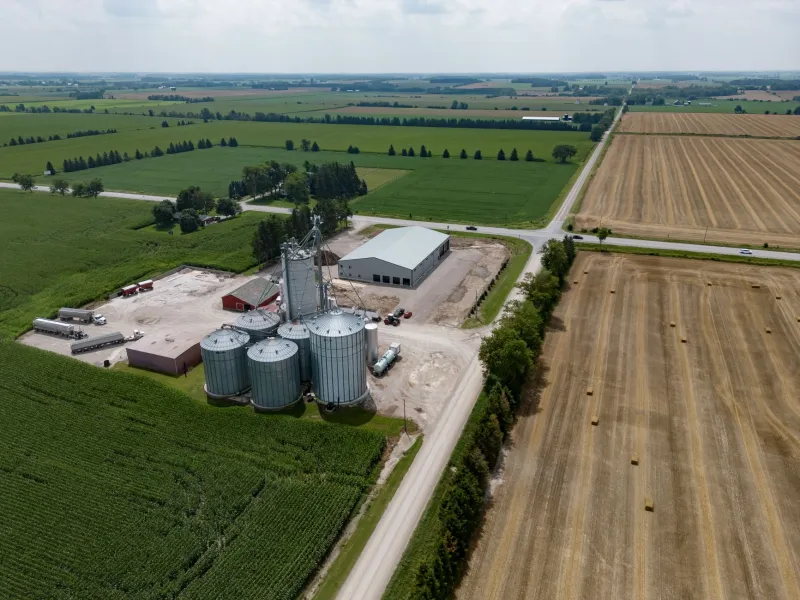
Approximately one in four Canadian households relies on a private septic system rather than a municipal sewer connection. From the acreages of Alberta's Peace Country to the lakefront properties of Ontario's Muskoka region, and the rural communities of Nova Scotia's Eastern Shore, off-grid plumbing is not a niche circumstance — it is a defining feature of Canadian rural life.
Yet septic systems and grease management infrastructure receive far less attention than the plumbing fixtures they serve. Out of sight and largely odourless when functioning correctly, these systems tend to be ignored until something goes wrong. By that point, the consequences — contaminated well water, failed drain fields, and repair costs that routinely exceed $20,000 — are both disruptive and avoidable.
This guide is intended as a working reference for rural Canadian homeowners who want to manage their systems proactively rather than reactively.
Understanding How a Conventional Septic System Works
A conventional septic system consists of two primary components: the septic tank and the drain field (also referred to as a leaching bed or tile field). Wastewater from the home flows into the tank, where solids settle to the bottom as sludge and lighter materials — fats, oils, and proteins — rise to form a scum layer. The clarified liquid in the middle, called effluent, exits the tank and disperses through perforated pipes into the surrounding soil, where natural filtration processes treat it before it reaches the water table.
The system's effectiveness depends on maintaining the biological balance within the tank, preserving the physical integrity of the drain field, and ensuring that the volume and composition of incoming waste remains within the system's designed capacity.
When any of these conditions is disrupted — by excess water loading, the introduction of harmful substances, or the neglect of routine pumping — the system's performance degrades, often invisibly, until failure becomes unmistakable.
Pumping Schedules: The Single Most Important Maintenance Task
Regular pumping of the septic tank is the most straightforward and impactful maintenance action available to homeowners. The accumulated sludge and scum layers must be removed before they encroach on the liquid zone and begin passing solids into the drain field. Once solids enter the leaching bed, they clog the soil's pores and cause irreversible damage that no amount of pumping can reverse.
As a general guideline, most residential septic tanks in Canada should be pumped every three to five years. However, the appropriate interval depends on several variables:
- Tank capacity — Smaller tanks fill more quickly and require more frequent service
- Household size — More occupants generate greater waste volume
- Water usage patterns — High-efficiency fixtures reduce hydraulic loading
- Presence of a garbage disposal — These devices significantly increase the solids load entering the tank and are generally discouraged for septic-connected homes
Homeowners should retain records of every pump-out, noting the date, the contractor, and any observations about tank condition. This documentation is valuable when selling the property and useful for tracking whether pumping intervals need to be adjusted.
Seasonal Considerations Across Canadian Climate Zones
Canada's climate variability introduces seasonal stresses that urban plumbing systems rarely face. Rural homeowners must account for these conditions in their maintenance planning.
Winter freeze risk is the most acute seasonal concern in provinces with extended cold periods. Septic tanks and distribution lines that are insufficiently buried or inadequately insulated can freeze, halting wastewater flow and creating backups inside the home. In Manitoba, Saskatchewan, and northern Ontario, where frost penetration can exceed 1.5 metres, this risk is substantial. Homeowners in these regions should ensure that tank lids and access risers are insulated and that vehicle traffic is kept off the drain field area, as compaction reduces the insulating effect of snow cover.
Spring thaw presents a complementary challenge. As frozen ground releases accumulated moisture, septic systems can experience hydraulic overload from groundwater infiltration. This is a particularly common issue in systems with aging or cracked distribution pipes. Reducing indoor water usage during peak thaw periods and avoiding laundry loads concentrated in a single day can help buffer the system against overloading.
Summer and drought conditions in provinces like British Columbia's interior or southern Alberta can affect drain field performance differently, as dry soils may temporarily reduce biological treatment efficiency. Maintaining consistent but moderate water usage during dry periods supports stable system function.
Grease Traps: Essential Infrastructure for Rural Kitchens
For rural properties — particularly hobby farms, bed-and-breakfast operations, or homes with commercial-scale kitchen activity — grease traps represent a critical line of defence between cooking waste and the septic system.
Fats, oils, and grease (commonly referred to as FOG) are among the most damaging substances a septic system can receive. When FOG enters the tank in volume, it accumulates in the scum layer at an accelerated rate, shortens the interval between required pump-outs, and — if it passes into the drain field — causes rapid and costly clogging.
A grease trap intercepts kitchen wastewater before it reaches the septic tank, allowing FOG to cool, congeal, and be retained for separate disposal. Residential grease traps require cleaning on a schedule proportional to kitchen activity — monthly for high-output kitchens, quarterly for typical household use.
Homeowners should never pour cooking grease down the drain, even in small quantities. Collecting cooled grease in a sealed container for solid waste disposal is a straightforward habit that meaningfully extends the life of both the grease trap and the septic system it protects.
Early Warning Signs of System Stress
Because septic systems operate underground, homeowners must rely on indirect indicators to detect developing problems. The following signs warrant prompt professional assessment:
- Slow drains throughout the home, particularly when multiple fixtures are affected simultaneously
- Gurgling sounds from toilets or floor drains following water use elsewhere in the house
- Sewage odours near the tank, in the drain field area, or inside the home
- Unusually lush or green grass over the drain field, which may indicate effluent surfacing
- Pooling water or wet soil over the leaching bed in dry weather
- Sewage backups in the lowest fixtures in the home
None of these symptoms should be treated as a temporary inconvenience. Each represents a signal that the system is operating beyond its capacity or that a component has begun to fail.
What Not to Flush or Pour Down the Drain
Maintaining a healthy septic system is as much about what stays out of it as what goes in. The following substances cause disproportionate harm and should never enter a septic-connected drain:
- Antibacterial soaps and disinfectants in large quantities, which disrupt the bacterial ecosystem within the tank
- Pharmaceuticals, which resist biological breakdown and can contaminate groundwater
- Wipes of any kind, including those labelled "flushable"
- Paints, solvents, and household chemicals
- Coffee grounds, eggshells, and fibrous food scraps
Professional Inspection and Long-Term Planning
Beyond routine pumping, septic systems benefit from periodic professional inspection. A licensed septic technician can assess the condition of the tank's baffles, examine the distribution box for signs of uneven flow, and evaluate whether the drain field shows early indicators of saturation.
In many Canadian provinces, septic system inspections are now required at the point of property sale. Commissioning a voluntary inspection every five to ten years gives homeowners an accurate picture of system health and allows for planned repairs rather than emergency interventions.
At AGR Plumbing, we understand that rural plumbing infrastructure carries unique responsibilities. Proper maintenance of your septic system and grease management equipment is an investment in the long-term viability of your property — and in the quality of the groundwater that your community depends upon.