Opening and Closing Your Cottage Right: A Complete Plumbing Guide for Seasonal Property Owners
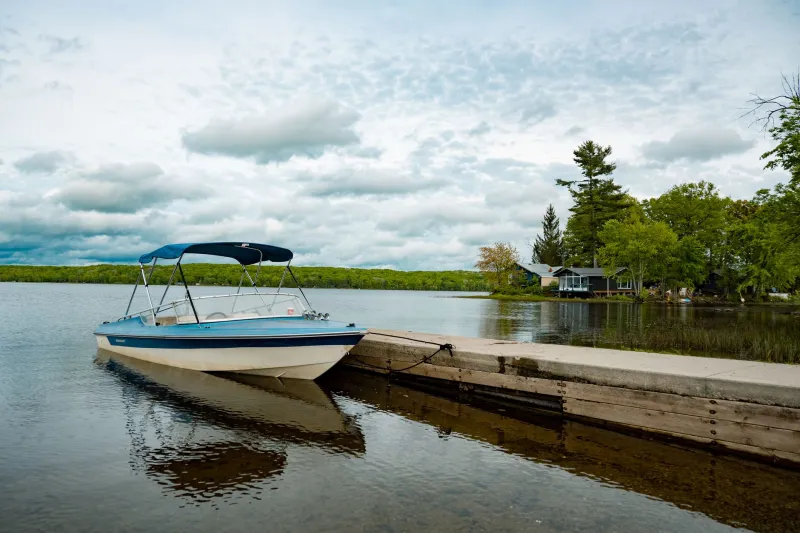
For millions of Canadians, the cottage is more than a property — it is a tradition, a refuge, and often a significant financial investment. Whether your seasonal retreat sits on the shores of Muskoka, the banks of a Québec lake, or deep in the forests of British Columbia, the plumbing systems that serve it face conditions unlike those in any year-round residence. Pipes that sit dormant through a Canadian winter, water systems that draw from private wells or lakes, and the rushed excitement of opening weekend all create a recipe for preventable plumbing disasters.
With thoughtful preparation in both the spring and fall, cottage owners can protect their water systems, avoid costly emergency repairs, and spend more time enjoying the property they worked hard to own.
Understanding Why Seasonal Plumbing Is Different
A home occupied year-round benefits from constant heat, regular water flow, and immediate attention when something goes wrong. A seasonal cottage enjoys none of these advantages. Pipes may sit without flowing water for six months or longer. Temperatures inside an unheated structure can plunge well below freezing. Sediment, mineral deposits, and even small animals can find their way into dormant systems during the off-season.
The result is that seasonal plumbing demands a proactive approach. Reactive repairs — waiting until something breaks before addressing it — are far more expensive and disruptive at a property that may be hours from a plumber's service area. Building a reliable annual routine around opening and closing procedures is the single most effective strategy a cottage owner can adopt.
The Autumn Shutdown: How to Properly Winterize Your Cottage Plumbing
Winterization should ideally be completed before the first hard frost arrives in your region. In many parts of Ontario, Québec, and the Prairie provinces, this window can close as early as late September. Do not wait for the weather to force your hand.
Step 1: Shut Off the Main Water Supply
Locate the main shutoff valve — typically near the pressure tank or where the water line enters the structure — and close it completely. If your cottage draws water from a lake or river via a submersible pump, disconnect and remove the pump and intake line from the water. Leaving intake lines submerged through freeze-up can result in cracked pipes and damaged pump housings.
Step 2: Drain Every Line and Fixture
Open all taps — hot and cold — throughout the property and leave them open to allow water to drain by gravity. Flush all toilets to empty the tanks and bowls. Use a wet-dry vacuum or an air compressor to blow out any remaining water from low-lying sections of pipe where gravity drainage is insufficient. Pay particular attention to outdoor hose bibs, which are among the most vulnerable components in a seasonal system.
Step 3: Address the Water Heater and Pressure Tank
Drain the hot water heater completely using the drain valve at the base of the unit. For properties with a pressure tank, release the pressure and drain the tank according to the manufacturer's instructions. Leaving standing water inside these components through a freeze cycle can cause irreparable damage.
Step 4: Protect Traps with Antifreeze
Plumbing traps — the curved sections beneath sinks, showers, and floor drains — hold a small amount of water by design. This water will freeze and crack the trap if left untreated. Pour a small amount of non-toxic, propylene glycol-based antifreeze (never automotive antifreeze) into each trap, including the toilet bowl and tank. This simple step prevents one of the most common and frustrating forms of cottage plumbing damage.
Step 5: Document and Inspect
Before leaving for the season, walk through the property and note the condition of any visible pipes, connections, and fixtures. Photograph anything that looks worn or questionable. Addressing a minor issue in autumn is dramatically cheaper than discovering a flood in May.
Spring De-Winterization: Bringing Your Water System Back to Life
Opening weekend enthusiasm can lead cottage owners to rush the de-winterization process — a mistake that frequently results in missed problems and water damage. Proceed methodically.
Inspect Before You Activate
Before restoring water pressure, conduct a visual inspection of all accessible pipes, connections, and fixtures. Look for cracks, corrosion, disconnected joints, or evidence of rodent activity. If anything appears compromised, do not pressurize the system until repairs are made or a licensed plumber has assessed the situation.
Restore Water Gradually
Turn the main valve on slowly and incrementally. Walk through the property as pressure builds, watching and listening for leaks at every joint and fixture. Have someone stationed inside while another person controls the valve outside if possible. Close all taps only once you have confirmed that water is flowing properly from each one and that no leaks are present.
Test the Water Quality
Cottages drawing from private wells or surface water sources should have their water tested at the start of each season. Provincial and municipal health authorities across Canada recommend annual bacteriological testing at minimum, and more comprehensive testing every few years. Contact your local public health unit for guidance on approved testing laboratories in your region.
Check the Hot Water Heater
Refill the hot water heater completely before activating the heating element. Running a heating element dry will destroy it. Once the tank is full, restore power or re-light the pilot, and inspect the pressure relief valve to confirm it is operating correctly.
Managing Private Wells and Lake-Fed Systems
Many Canadian cottages rely on water sources that require additional seasonal attention. Submersible well pumps should be inspected annually for wear on the motor, wiring, and connections. Lake or river intake systems should be checked for debris, cracked intake lines, and damage from ice movement during the winter.
If your property uses a UV disinfection system — a common and effective treatment method for private water sources — replace the UV lamp at the start of each season regardless of how many hours it logged the previous year. UV lamps degrade gradually, and a lamp that appears to be functioning may no longer be delivering adequate disinfection.
When to Call a Professional
Not every cottage owner has the mechanical confidence or physical access to complete winterization and de-winterization procedures independently. Properties with complex systems, older infrastructure, or difficult-to-reach components benefit significantly from professional service. A licensed plumber familiar with seasonal properties can complete both procedures efficiently, identify developing issues before they become emergencies, and provide documentation that may support insurance claims if damage does occur.
At AGR Plumbing, we work with seasonal property owners across Canada to establish reliable annual maintenance routines. Scheduling your opening and closing service in advance — rather than scrambling at the last minute — ensures you have professional support exactly when you need it.
Protecting Your Investment Season After Season
The Canadian cottage is a source of profound joy for those fortunate enough to own one. Protecting that investment requires treating the plumbing system with the same care and respect you would give the structure itself. A disciplined approach to seasonal shutdown and startup, combined with attentive maintenance throughout the summer, will keep your water systems performing reliably for decades.
The goal is simple: arrive at the cottage to enjoy it, not to repair it.