What Lurks Behind the Walls: A Canadian Homebuyer's Guide to Plumbing Red Flags in Fixer-Upper Properties
The appeal of a fixer-upper is undeniable. Lower purchase prices, the opportunity to customise, and the satisfaction of restoring a neglected property have drawn generations of Canadian buyers into the market for older or distressed homes. However, what the listing photographs rarely reveal is the condition of the plumbing system hidden within those walls, beneath those floors, and buried under that backyard.
Plumbing deficiencies are among the most expensive surprises a new homeowner can encounter. Unlike a dated kitchen or worn carpeting, failing pipes, corroded drains, and compromised water lines do not announce themselves with obvious visual cues—at least not initially. By the time water damage becomes visible, the underlying problem has typically been developing for months or years.
Whether you are attending your first walkthrough or accompanying a professional home inspector, understanding what to look for can mean the difference between a sound investment and a costly ordeal.
Start in the Basement: The Plumbing Story Begins Below Grade
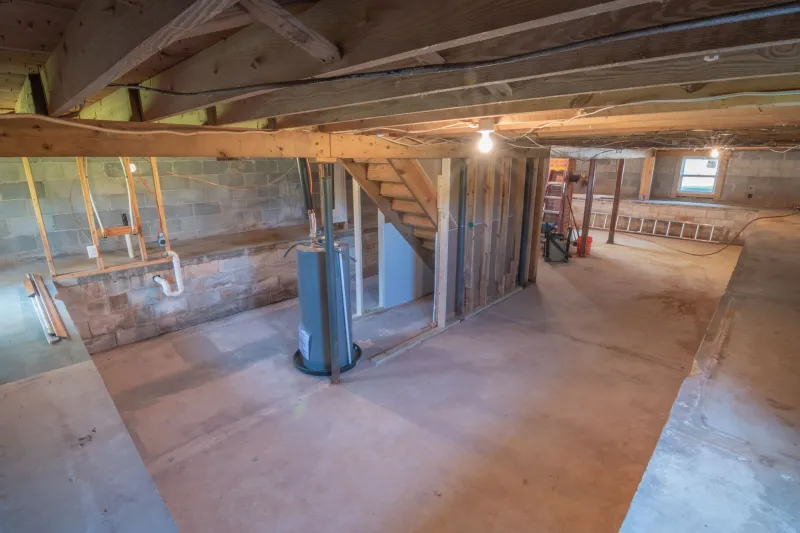
The basement is where a home's plumbing infrastructure is most exposed and, consequently, where the most revealing evidence of trouble tends to accumulate. Begin by examining the main drain stack—the large vertical pipe that carries waste from upper floors to the municipal sewer or septic system. Any visible corrosion, patching with mismatched materials, or improvised repairs using tape, clamps, or epoxy compounds should raise immediate concern. These are indicators that problems have existed for some time and that previous owners may have chosen temporary solutions over proper remediation.
Look carefully at the floor drain in the basement, if one is present. Staining around the perimeter, efflorescence (the white crystalline deposits left by mineral-laden water), or evidence of past flooding all suggest that water has entered this space under pressure. In many parts of Canada, particularly in older urban neighbourhoods across Ontario, Quebec, and the Prairie provinces, combined sewer systems can cause basement backups during heavy rainfall events. A floor drain without a functioning backwater valve in such areas is a liability worth factoring into your offer.
Examine the water supply lines as well. Galvanised steel pipes—identifiable by their grey, threaded appearance—were common in Canadian homes built before the 1970s. These pipes corrode from the inside out, progressively restricting water flow and eventually failing altogether. If the home features galvanised supply lines throughout, you are likely looking at a full re-pipe, which is a significant undertaking and should be reflected in the purchase price.
Under Sinks and Around Fixtures: Reading the Small Details
Open every cabinet beneath every sink in the home. What you find there can be remarkably informative. Warped particleboard, discolouration, or active moisture on the cabinet floor indicates a leak that has persisted long enough to cause structural damage to the cabinetry itself. While the leak may have since been addressed, the presence of water damage tells you the plumbing in that area has a history.
Inspect the drain connections beneath each sink. Amateur repairs are often characterised by an excess of plumber's putty, mismatched fittings, or flexible accordion-style drain extensions—the kind sold at hardware stores as a quick fix. These components are not designed for long-term use and frequently fail. Their presence suggests the home has seen improvised repairs rather than professional service.
Turn on every faucet and observe the water pressure and colour. Discoloured water—whether rust-tinted or cloudy—is a meaningful indicator of pipe corrosion or sediment accumulation. Low pressure at multiple fixtures simultaneously may point to a supply line restriction, a failing pressure regulator, or a municipal connection issue. Run the cold water for a full minute and note whether the pressure stabilises or continues to fluctuate.
Flush every toilet and watch the bowl carefully. A toilet that continues to run after the tank refills, one that requires multiple flushes to clear waste, or one that gurgles after flushing can indicate partial drain blockages or venting problems within the stack system.
Exterior and Yard: What the Ground Reveals
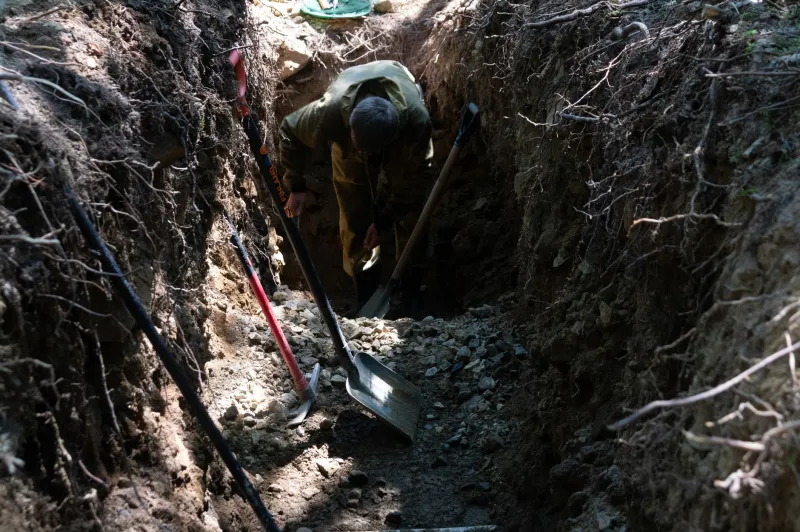
Step outside and examine the perimeter of the foundation. Soil that has settled unevenly near the house, particularly along the path where a sewer or water service line would typically run, may indicate a past or ongoing pipe failure beneath grade. Tree roots are a persistent threat to buried sewer lines across Canada, where mature maples, elms, and willows are common in established neighbourhoods. If large trees are located within ten metres of the home's foundation, a sewer scope inspection—in which a camera is passed through the drain line—is strongly advisable before closing.
Check the exterior hose bibs. These are among the first components to suffer damage from Canada's freeze-thaw cycles. A hose bib that drips continuously or one that shows signs of having been repaired may indicate that the supply pipe behind the wall froze and cracked at some point. Frost-free hose bibs are standard in most modern Canadian construction; their absence on an older home is worth noting.
Deal-Breakers Versus Cosmetic Concerns: Knowing the Difference
Not every plumbing issue discovered during an inspection warrants walking away from a purchase. The critical distinction is between problems that require straightforward repairs and those that signal systemic failure.
A dripping faucet, a worn toilet flapper, or a slow-draining sink are maintenance items—minor in cost and effort. A home with galvanised supply lines throughout, a cracked or root-infiltrated sewer lateral, an undersized water heater at the end of its service life, and evidence of repeated basement flooding is a different proposition entirely. Each of those items individually carries a meaningful price tag; together, they can represent tens of thousands of dollars in necessary work.
When significant plumbing concerns are identified, buyers have several practical options. Requesting a reduction in the purchase price equivalent to the estimated cost of repairs is the most straightforward approach. Alternatively, buyers may request that specific deficiencies be remediated by the seller prior to closing, with licensed contractor documentation provided as confirmation. In cases where the scope of plumbing problems is unclear—particularly in homes with concealed or inaccessible pipe runs—making the offer conditional on a specialist plumbing inspection provides an important layer of protection.
The Value of a Pre-Purchase Plumbing Inspection
A standard home inspection covers plumbing in a general sense, but inspectors are not licensed plumbers and are not equipped to assess the full condition of a drainage system, evaluate the integrity of buried lines, or diagnose internal pipe corrosion. For properties built before 1980, for homes that show any of the warning signs described above, or for any purchase where significant money is at stake, engaging a licensed plumbing professional for a dedicated pre-purchase inspection is a prudent investment.
The cost of that inspection is modest relative to what it may reveal. A plumber who identifies a collapsed sewer lateral before closing has potentially saved the buyer from a five-figure repair bill that would otherwise have arrived without warning in the first year of ownership.
Canada's housing market, particularly in cities like Toronto, Vancouver, Calgary, and Montreal, continues to present buyers with older housing stock at prices that demand careful due diligence. The plumbing system, invisible as it largely is, deserves the same scrutiny as the roof, the foundation, and the electrical panel. Approached with the right knowledge and the right professional support, a fixer-upper's plumbing need not be a mystery—it can simply become one more factor in a well-informed negotiation.