When One Fixture Fails the Whole House: Understanding the Cascade Effect in Residential Plumbing
Most Canadian homeowners approach plumbing problems the same way they approach a squeaky door hinge — address the immediate annoyance, move on, and assume the matter is resolved. A running toilet gets a new flapper. A slow bathroom sink receives a splash of drain cleaner. A dripping kitchen tap earns a tightened washer. Each fix feels complete in isolation. Yet beneath the floors and behind the walls, your home's plumbing operates as a deeply interconnected network, and what appears to be a contained problem in one fixture can set off a chain of consequences that affects every tap, drain, and appliance on the property.
At AGR Plumbing, we refer to this phenomenon informally as the plumbing ripple effect — and it is one of the most underappreciated risks facing Canadian homeowners today.
Your Plumbing System Is Not a Collection of Separate Parts
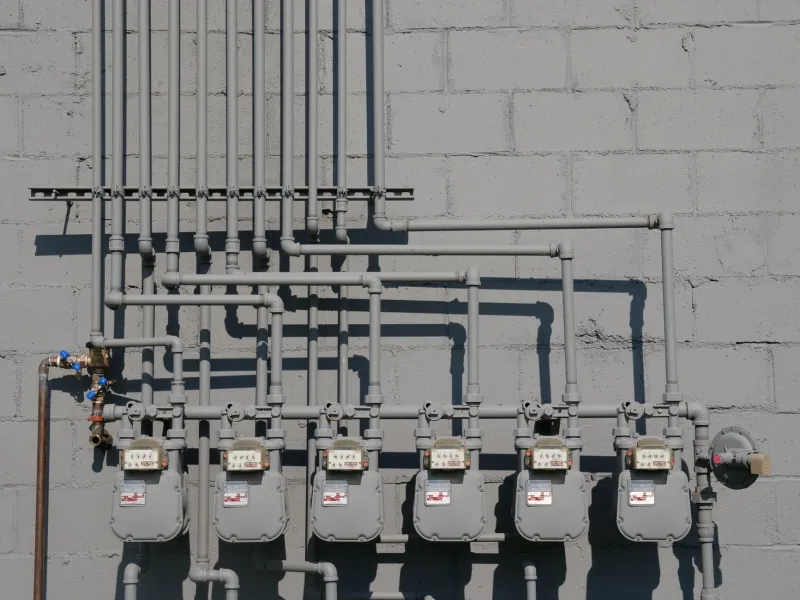
To understand why a single neglected fixture can compromise an entire home, it helps to think about how residential plumbing actually functions. Your home contains two distinct but interrelated systems: the supply system, which delivers pressurised fresh water to every fixture and appliance, and the drain-waste-vent (DWV) system, which removes wastewater and gases safely out of the building.
These two systems share physical space, interact through fixtures, and depend on one another to maintain balance. When one component within either system begins to fail, the imbalance does not stay localised. It propagates.
Consider a homeowner in Winnipeg who notices that the toilet in the main bathroom runs intermittently — a phantom flush that occurs every hour or so. The sound is mild, the inconvenience minimal, and the repair is deferred. What that homeowner may not realise is that the faulty fill valve is allowing water to continuously trickle from the supply line. Over weeks, this creates a sustained drop in supply pressure on that branch of the plumbing. Fixtures on the same line — a nearby bathroom sink, a bathtub — begin to experience fluctuating pressure. The household water heater, sensing inconsistent demand, cycles more frequently. Water bills climb. Eventually, the stress on the fill valve assembly worsens, the toilet begins to leak at the base, and moisture seeps into the subfloor below.
What began as a minor mechanical nuisance has now involved the supply system, the water heater, and the building structure — all from one deferred repair.
The Drainage Network: Where Small Blockages Become Systemic Failures
The DWV system is particularly vulnerable to the cascade effect. Unlike the supply side, where pressure fluctuations offer early warning signs, drainage problems often develop silently until they manifest as something far more serious.
A partially blocked kitchen drain is a common scenario across Canadian homes, particularly during the colder months when cooking increases and grease accumulates more readily in pipes exposed to low temperatures in uninsulated crawlspaces or exterior walls. A homeowner in Halifax might notice that the kitchen sink drains slowly but does not think much of it — the water does disappear, after all, just not quickly.
However, a partial blockage in a kitchen drain creates back-pressure within the shared drain stack. Other fixtures connected to the same stack — a basement utility sink, a laundry drain, a ground-floor bathroom — may begin to gurgle when water drains elsewhere in the house. This gurgling is the sound of air being displaced through improper channels, a sign that the vent system is struggling to compensate for the obstruction. If the blockage deepens, sewage gases that should exit through the roof vent may instead be drawn back through drain traps. At that point, the problem is no longer one of inconvenience; it is one of indoor air quality and health.
Left further still, a complete blockage can cause wastewater to back up through the lowest drain in the home — typically a floor drain in the basement. In a city like Calgary, where spring snowmelt already places seasonal stress on municipal sewer connections, a compromised home drainage system during high-flow periods can result in raw sewage entering the living space.
Structural Consequences: When Water Finds New Paths
Water is extraordinarily patient. Given sufficient time and a path of least resistance, it will migrate from a plumbing failure into the surrounding building materials. This is where the ripple effect transitions from a plumbing issue into a structural and financial one.
A slow leak beneath a kitchen sink — perhaps from a worn supply line connection or a failing drain basket seal — may go unnoticed for months if the cabinet below is used for storage. By the time the leak is discovered, the cabinet floor is soft, the subfloor beneath has absorbed significant moisture, and mould has begun to colonise the space between the cabinet and the wall. In older homes common across Ontario and Quebec, where original plaster walls and wooden floor joists remain, the remediation costs can be substantial.
The same principle applies to an improperly sealed toilet base. A wax ring that has failed allows a small amount of wastewater to escape with each flush. The floor around the toilet may appear dry because the water is migrating laterally beneath the tile or vinyl flooring. Homeowners often discover this problem only when the floor begins to feel soft underfoot — a sign that the subfloor is compromised and, in some cases, that the joists below have been affected as well.
Why Isolated Fixes Are Often Insufficient
The instinct to repair only the visible problem is understandable. Plumbing repairs carry a cost, and homeowners naturally want to address what is demonstrably broken rather than what might become broken. However, this approach carries its own financial risk.
When a plumber is called to address a single fixture, the surrounding context of that fixture's performance is often not evaluated. The repair is completed, the immediate symptom resolves, and both the homeowner and the technician move on. But if that fixture's failure was itself a symptom of a broader issue — elevated water pressure stressing all supply connections, a partially obstructed main drain stack, or corroding pipe joints in an aging system — the underlying condition remains and will manifest again, often in a different location.
This is precisely why AGR Plumbing advocates for periodic whole-home plumbing inspections, particularly in homes that are more than fifteen to twenty years old, in properties that have recently been purchased, and following any significant plumbing repair. A comprehensive inspection evaluates the supply system's pressure and flow, examines visible and accessible drain lines for signs of buildup or damage, assesses the condition of shut-off valves and supply connections, and identifies any indicators of active or historical moisture intrusion.
Recognising the Warning Signs Early
Canadian homeowners can take practical steps to identify cascade risks before they escalate. Be attentive to the following:
- Inconsistent water pressure at multiple fixtures simultaneously, which may indicate a supply-side issue affecting a shared branch or main line
- Gurgling sounds from drains, toilets, or floor drains when water is used elsewhere in the home
- Slow drains in multiple locations, which suggests a partial obstruction in a shared drain stack rather than an isolated fixture blockage
- Unexplained increases in water bills, which can point to a running toilet, a slow supply leak, or a failing pressure regulator
- Soft spots, discolouration, or odours near any plumbing fixture, which warrant immediate professional assessment
The Value of Thinking in Systems
The most effective approach to residential plumbing maintenance is one that treats the home's water infrastructure as a unified system rather than a set of independent components. When one fixture begins to underperform, the appropriate question is not simply how to repair that fixture, but what that fixture's condition reveals about the health of the broader network it belongs to.
For Canadian homeowners navigating the demands of harsh winters, variable municipal water quality, and aging housing stock, this systems-thinking approach is not merely prudent — it is financially protective. Addressing the root cause of a plumbing problem before its consequences ripple outward is consistently less costly than remediation after the fact.
If you have noticed any of the warning signs described above, or if your home has not received a professional plumbing inspection in recent years, contact AGR Plumbing to arrange a comprehensive assessment. Our team serves homeowners and commercial clients across Canada, and we are committed to providing honest, thorough evaluations that protect your property for the long term.