Seven Plumbing Shortcuts That Are Quietly Draining Canadian Homeowners' Wallets
When Good Intentions Become Expensive Mistakes
The internet has made every homeowner feel like a capable tradesperson. A quick search, a confident YouTube tutorial, and suddenly a Saturday afternoon project feels entirely manageable. For many household tasks, that confidence is well-placed. For plumbing, however, it can quietly set the stage for thousands of dollars in structural damage, mould remediation costs, and insurance complications.
Across Canada, licensed plumbers regularly encounter repair jobs that began as minor issues but escalated dramatically after an attempted DIY fix. The cold reality is that plumbing systems in Canadian homes carry unique pressures — literally and figuratively — shaped by extreme temperature swings, aging infrastructure in older housing stock, and provincial building codes that differ meaningfully from American standards many online guides are written around.
Here are seven of the most damaging myths that continue to circulate among well-meaning homeowners.
Myth 1: Chemical Drain Cleaners Are a Safe and Effective Fix
The brightly coloured bottles lining hardware store shelves promise fast, effortless drain clearing. What they rarely disclose is the cumulative toll that caustic chemicals take on your pipes. Older Canadian homes — particularly those built before the 1980s — often contain cast iron or galvanised steel drain lines. Repeated exposure to sodium hydroxide or sulphuric acid-based cleaners accelerates corrosion in these materials, eventually thinning pipe walls to the point of failure.
Even in homes with PVC drain lines, the heat generated by chemical reactions can warp fittings and degrade joint seals over time. A clogged drain is almost always the symptom of a blockage that requires mechanical removal — either through snaking or hydro-jetting — not chemical dissolution. Paying a plumber to clear a drain properly the first time is consistently less expensive than replacing a corroded section of pipe discovered during a basement renovation.
Myth 2: Duct Tape and Thread Seal Tape Are Interchangeable
Thread seal tape — commonly called plumber's tape or PTFE tape — serves a very specific function: sealing threaded pipe connections to prevent leaks at joints. Duct tape, regardless of its legendary versatility, has no place in a plumbing repair. It degrades rapidly when exposed to moisture, loses adhesion under temperature fluctuations, and provides no meaningful seal against water pressure.
More importantly, using the wrong tape on a gas line fitting — a mistake that occasionally happens when homeowners conflate the two — creates a potentially life-threatening situation. In Canada, gas line work is governed by strict provincial regulations and must be performed by a licensed gas fitter. There is no tape-based shortcut that satisfies those requirements.
Myth 3: A Slow Drip Is Not Worth Fixing Right Away
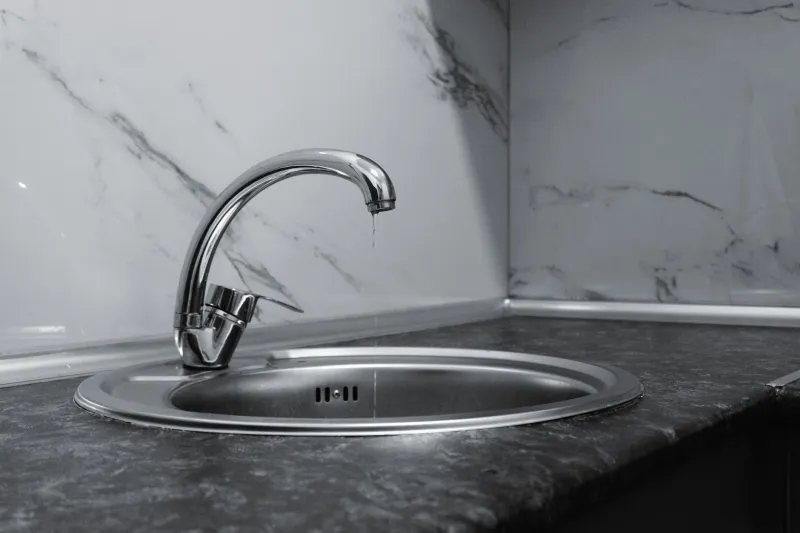
A faucet dripping once per second wastes approximately 11,000 litres of water annually. Across Canadian municipalities where water rates have climbed steadily over the past decade, that represents a meaningful addition to your utility bill. But the financial case for prompt repair extends beyond water costs.
Continuous moisture around a fixture corrodes the valve seat, deteriorates surrounding caulking, and — in bathroom or kitchen cabinetry — promotes the mould growth that Canadian homes are particularly susceptible to given seasonal humidity fluctuations. What begins as a worn washer costing a few dollars to replace can become a cabinetry replacement and mould remediation project costing several thousand.
Myth 4: High Water Pressure Is a Sign of a Well-Functioning System
Many homeowners interpret strong water pressure as a positive indicator of plumbing health. In reality, residential water pressure exceeding 550 kilopascals (approximately 80 PSI) places excessive mechanical stress on every component in your system — valves, supply lines, dishwasher hoses, and washing machine connections among them.
In regions like southern Ontario and parts of British Columbia where municipal supply pressure can run high, homes without properly functioning pressure-reducing valves are at meaningful risk of sudden supply line failures. These failures frequently occur behind walls or under cabinetry and can release hundreds of litres of water before being detected. Installing or servicing a pressure-reducing valve is a straightforward professional task that provides significant protection against catastrophic water damage.
Myth 5: Any Fitting From the Hardware Store Will Work
Canadian plumbing supply aisles are well-stocked, and it is tempting to assume that a fitting labelled for a half-inch copper line will suit any half-inch copper connection. The reality is more nuanced. Fittings vary by wall thickness rating, pressure tolerance, and material compatibility. Mixing dielectric metals — connecting copper directly to galvanised steel without an appropriate dielectric union, for instance — accelerates corrosion through electrolytic reaction and can compromise a joint within a few years.
Beyond material compatibility, Canadian building codes under the National Plumbing Code and various provincial amendments specify approved materials for different applications. A fitting that passes visual inspection may not meet code, which creates complications during home sales, insurance claims, or future renovation permits.
Myth 6: You Can Insulate Pipes Yourself Before Winter Without a Professional Assessment
Pipe insulation is genuinely a task many homeowners can perform on accessible pipes in heated spaces. The myth lies in the assumption that insulating visible pipes fully addresses freeze risk. The pipes most vulnerable to freezing in Canadian homes are those running through unheated crawl spaces, exterior walls, and garages — locations that require a thorough assessment to identify and address properly.
Inadequate insulation placement, gaps at fittings, and failure to address air infiltration points around pipe penetrations all leave homes vulnerable even after a DIY insulation project. A plumber conducting a pre-winter inspection can identify these vulnerable points and recommend targeted solutions, potentially preventing the burst pipe scenario that Canadian homeowners dread every January.
Myth 7: Toilet Repairs Are Always Simple DIY Projects
Replacing a flapper valve or adjusting a float arm genuinely falls within most homeowners' capabilities. Where DIY toilet repair frequently goes wrong is in the diagnosis phase. A toilet that runs intermittently, rocks slightly on the floor, or shows discolouration at the base may appear to need a minor internal adjustment. These symptoms, however, can indicate a compromised wax ring seal — which, if left unaddressed, allows sewer gases to enter the living space and allows water to slowly saturate the subfloor beneath the fixture.
Subfloor water damage from a failing toilet seal is one of the more expensive bathroom repairs a homeowner can face, often requiring flooring removal and structural drying in addition to the plumbing fix itself. Confirming the actual source of a toilet problem before attempting repairs is a step that professional assessment makes considerably more reliable.
The Genuine Value of Knowing Your Limits
None of this is intended to suggest that homeowners should feel powerless in their own homes. Understanding how your plumbing system works, identifying early warning signs, and performing basic maintenance tasks are all worthwhile and encouraged. The distinction worth drawing is between routine maintenance and diagnostic repair — particularly when Canadian climate conditions, aging housing stock, and provincial code requirements add layers of complexity that generic online advice does not account for.
When a plumbing issue carries ambiguity about its root cause, or when the consequences of an incorrect repair extend beyond the immediate fixture, the cost of a professional assessment is almost always the more economical path. At AGR Plumbing, our licensed technicians work with Canadian homeowners to address problems correctly the first time — protecting both the integrity of your home and the value of your investment.