Spending Smart: How to Prioritise Your Bathroom Plumbing Upgrades for Maximum Value
For most Canadian homeowners, the bathroom sits at the intersection of daily necessity and long-term investment. Whether you are preparing to sell a home in Vancouver's competitive real estate market, refreshing a decades-old bungalow in Halifax, or simply tired of the rattling pipes in your Calgary townhouse, knowing where to direct your renovation dollars makes all the difference.
Bathroom plumbing upgrades exist on a wide spectrum — from straightforward repairs that protect your home's structural integrity to premium installations that elevate everyday living. The challenge is determining which projects deserve immediate attention and which can wait until your budget allows. This guide breaks down that hierarchy so you can make confident, informed decisions.
Start With What Cannot Wait: Functional Repairs
Before any discussion of aesthetics or luxury features, every Canadian homeowner must address existing plumbing deficiencies. A slow leak beneath a vanity may seem minor, but over a Canadian winter, persistent moisture can compromise subflooring, encourage mould growth, and lead to repair bills that dwarf the original fix.
The foundational tier of any bathroom upgrade plan includes:
- Leak remediation: Dripping faucets, running toilets, and supply line seepage waste significant volumes of water and inflate utility bills. In provinces with tiered water pricing, such as Ontario and British Columbia, even a modest toilet leak can add measurable cost to your monthly statement.
- Water pressure normalisation: Inadequate pressure often signals mineral buildup in older galvanised pipes or failing pressure-regulating valves. Correcting this improves not just comfort, but the performance of every fixture downstream.
- Drain functionality: Slow or partially blocked drains are more than an inconvenience. Left unaddressed, they can cause backflow issues, particularly in older homes where drain lines may already be compromised.
These repairs are non-negotiable. No amount of aesthetic investment can compensate for a bathroom that functions poorly at its most basic level.
The Middle Tier: Efficiency and Comfort Upgrades
Once your bathroom's core plumbing is operating correctly, the next category of upgrades focuses on efficiency and improved daily function. These projects typically offer a strong return on investment because they reduce ongoing operating costs while enhancing the experience of the space.
Low-flow fixture replacement is among the most cost-effective upgrades available to Canadian homeowners. Modern low-flow toilets, showerheads, and faucet aerators can reduce household water consumption substantially without sacrificing performance. Given that water and sewer rates have risen across most major Canadian municipalities over the past decade, the payback period on these fixtures is shorter than many homeowners expect.
Shower valve upgrades represent another practical investment. Pressure-balancing and thermostatic valves prevent the unpleasant temperature swings that occur when other fixtures draw water simultaneously — a common complaint in multi-bathroom homes. Thermostatic valves, in particular, allow precise temperature control, which is especially valuable for households with young children or elderly residents.
Ventilation improvements, while not strictly plumbing, work in direct partnership with bathroom moisture management. A properly sized exhaust fan reduces humidity that would otherwise accelerate fixture corrosion and grout deterioration — a meaningful concern in Canada's variable climate.
Renovation-Grade Upgrades: Adding Value to Your Home
For homeowners preparing a property for sale, or those undertaking a broader bathroom renovation, the next tier of upgrades addresses both function and marketability. Real estate professionals across Canada consistently identify bathrooms as a key driver of buyer perception, and plumbing plays a central role in that impression.
Walk-in shower conversions are among the most sought-after bathroom features in today's resale market. Converting a dated tub-and-shower combination into a dedicated walk-in shower with a properly waterproofed pan, quality fixtures, and adequate drain capacity requires skilled plumbing work — but the transformation can meaningfully improve a home's appeal in urban markets from Toronto to Edmonton.
Freestanding tub installations have gained considerable traction in higher-end renovations. These require careful consideration of floor load capacity and supply line placement, making professional assessment essential before committing to this upgrade.
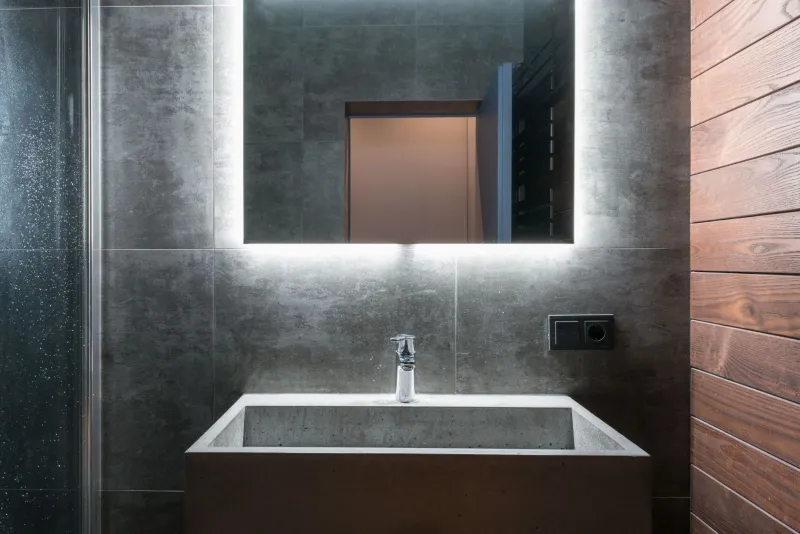
Double vanity plumbing rough-ins add both convenience and perceived value. In family homes, the ability to accommodate two sinks — each with independent supply and drain connections — is a practical feature that resonates strongly with buyers.
The Aspirational Tier: Luxury Additions
At the upper end of the spectrum sit the features that transform a functional bathroom into a genuinely indulgent space. These upgrades are best considered when the foundational and mid-range categories have already been addressed, and when budget permits without compromise.
Rainfall showerheads and body spray systems require adequate water pressure and, in some cases, a dedicated pressure booster. The plumbing infrastructure supporting these systems must be properly sized to deliver the intended experience.
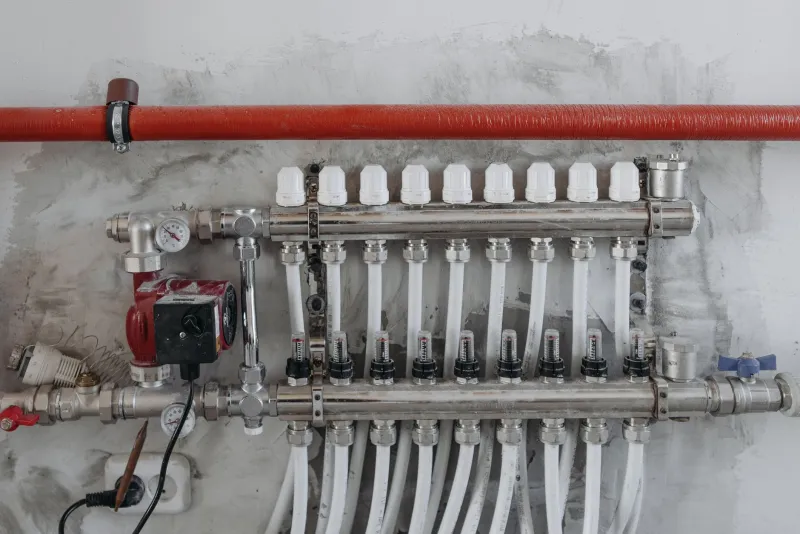
In-floor radiant heating — while technically a mechanical rather than plumbing system — is often coordinated through a plumbing contractor in hydronic configurations. For Canadian homeowners accustomed to cold tile floors during winter months, this upgrade offers a tangible quality-of-life improvement.
Smart shower systems, which allow pre-programmed temperature settings and digital controls, represent the current frontier of residential bathroom technology. These systems require precise installation and are best approached as part of a comprehensive renovation rather than a standalone project.
Aligning Your Budget With Your Goals
The most effective bathroom upgrade plans are those built around honest self-assessment. Consider the following before committing to any project:
Timeline: Are you improving for immediate personal use, or preparing to sell within the next one to three years? Resale-oriented upgrades should lean toward broadly appealing mid-range improvements rather than highly personalised luxury features.
Market context: Bathroom renovation ROI varies considerably across Canadian markets. A rainfall shower system may be expected in a premium Vancouver condo but offer less return in a rural Nova Scotia property. Understanding your local market conditions is essential.
Existing infrastructure: Older homes — particularly those built before the 1980s — may require pipe upgrades or drain line replacements before premium fixtures can be installed. A thorough assessment by a licensed plumber before finalising your renovation plan can prevent costly surprises.
A Final Word on Professional Assessment
Regardless of where your upgrade plans fall on this hierarchy, beginning with a professional plumbing inspection provides the clearest picture of where your money will have the greatest impact. At AGR Plumbing, we work with Canadian homeowners at every stage of the renovation process — from identifying hidden deficiencies to advising on fixture selection and coordinating complex installations.
A well-considered bathroom upgrade is not simply an expense. Approached strategically, it is one of the most durable investments a homeowner can make in the comfort and value of their property.