Every Pipe Has a Purpose: Understanding Your Canadian Home's Complete Plumbing Infrastructure
For the majority of Canadian homeowners, plumbing is one of those household systems that remains largely invisible—until a drain backs up, a pipe bursts, or a water bill arrives with an unexpectedly high number. The truth is that your home's plumbing network is one of its most sophisticated and consequential systems, quietly working around the clock to deliver clean water and remove waste. Understanding how that network is structured gives you a meaningful advantage: you can spot trouble earlier, describe problems accurately to a plumber, and make informed decisions about maintenance and upgrades.
This guide traces your home's plumbing from the point where water first enters the property to the moment wastewater leaves it—covering every major component along the way.
Where It All Begins: The Water Main and Service Line
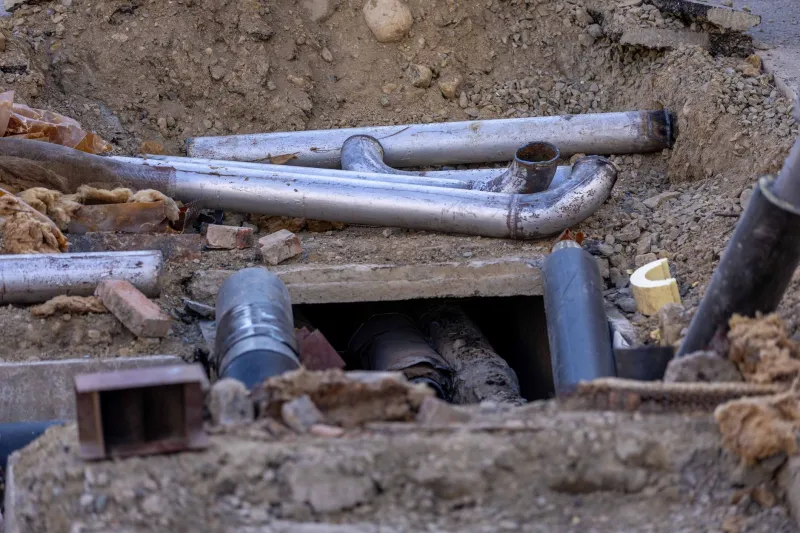
Your home's plumbing story starts outside the foundation wall. A buried service line runs from the municipal water main beneath the street to your property. In most Canadian cities, this line enters the home through the basement or crawlspace, typically below the frost line—a critical design consideration given Canada's climate. In colder provinces such as Manitoba, Saskatchewan, and northern Ontario, frost lines can extend well beyond 1.5 metres, meaning service lines must be buried accordingly to prevent freezing.
At the point where the service line enters the home, you will find the main shutoff valve. This valve is arguably the single most important piece of plumbing hardware in your house. In an emergency—a burst pipe, a failed appliance connection, or a major leak—turning this valve off stops all water flow to the building instantly. Every adult in your household should know exactly where it is and confirm that it operates smoothly, particularly before winter sets in each year.
In many older Canadian homes, the main shutoff is a gate valve, which can seize with age. If yours has not been turned in years, it is worth having a licensed plumber inspect and potentially replace it with a more reliable ball valve.
The Supply System: Hot and Cold Distribution
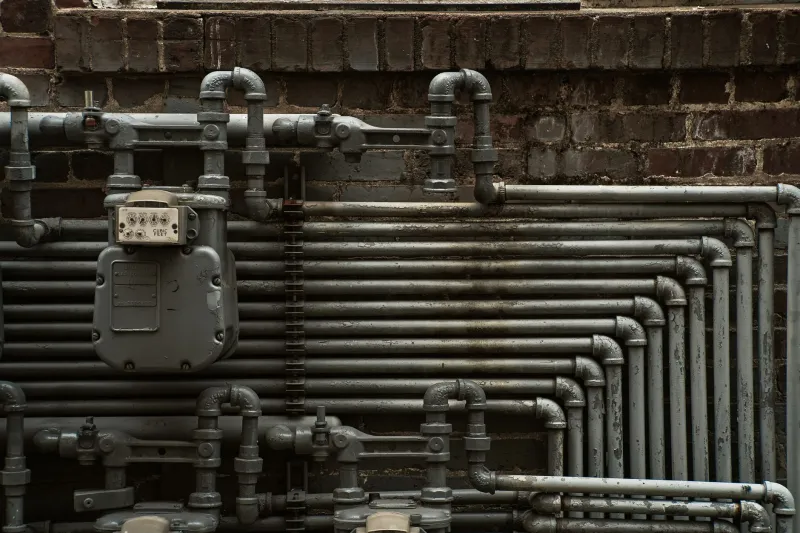
From the main shutoff, your cold water supply line branches in two directions. One branch feeds cold water directly to fixtures throughout the home—toilets, outdoor hose bibs, refrigerator lines, and cold-water taps. The second branch runs to your water heater, where it is heated and then redistributed through a separate hot water supply line.
In most Canadian homes built after the 1980s, supply lines are made from copper or cross-linked polyethylene (PEX) tubing. PEX has become increasingly popular in new construction and renovation work because it is flexible, resistant to freeze damage, and easier to install in tight spaces. Older homes may still have galvanised steel pipes, which are prone to corrosion and can restrict water flow significantly over time.
Individual shutoff valves—sometimes called stop valves or fixture shutoffs—are located beneath sinks, behind toilets, and near appliances such as dishwashers and washing machines. These allow a plumber (or a prepared homeowner) to isolate a single fixture without shutting off water to the entire house. Checking that each of these valves turns freely is a simple task that can save considerable trouble during a repair.
The Drain-Waste-Vent System: The Underappreciated Half
While the supply system delivers water under pressure, the drain-waste-vent (DWV) system relies entirely on gravity and air pressure to move wastewater out of your home. This network is more complex than most homeowners realise, and it operates as a carefully balanced system in which each component depends on the others.
Drain lines carry used water away from sinks, tubs, showers, and appliances. They slope slightly downward—typically 6 to 12 millimetres per 300 millimetres of horizontal run—to maintain consistent flow without allowing solids to settle and cause blockages.
Waste lines carry solid and liquid waste from toilets to the main soil stack, a large-diameter vertical pipe that runs through the core of the home.
Vent pipes are the component that most homeowners overlook entirely. These pipes extend upward through interior walls and exit through the roof, allowing air to enter the drainage system. Without proper venting, negative pressure builds up in drain lines, causing that familiar gurgling sound from your drains and potentially allowing sewer gases—including hydrogen sulphide and methane—to enter your living space. If you notice slow drains throughout your home or detect an occasional sulphurous smell, compromised venting is a likely culprit.
The P-Trap: A Small Curve With a Critical Job
Beneath every sink, shower, and floor drain in your home sits a curved section of pipe known as a P-trap. This simple device holds a small reservoir of water at all times, creating a seal that blocks sewer gases from migrating back up through the drain opening. In homes that have guest bathrooms or basement floor drains that are rarely used, P-traps can dry out over time—particularly during dry Prairie winters when indoor humidity is low. Running water through infrequently used fixtures every few weeks prevents this from occurring.
Cleanouts and Access Points
Strategically located throughout your drainage system are cleanout plugs—threaded access points that allow a plumber to insert a snake or hydro-jet equipment to clear blockages without dismantling pipe sections. The main cleanout is typically located at or near the base of the main soil stack in the basement, and there may be additional cleanouts at bends or junctions in the line. Knowing where your cleanouts are located can significantly reduce both the time and the cost of a drain service call.
Regional Considerations Across Canada
Canada's geographic and climatic diversity means that plumbing systems vary considerably from one region to another. In British Columbia's Lower Mainland, where seismic activity is a concern, flexible pipe connections at water heaters and supply lines are standard practice. In Quebec, older homes in cities such as Montréal may still have cast-iron drain stacks and lead service lines—the latter of which provincial and municipal authorities have been actively working to replace. In Atlantic Canada, where many properties rely on well water and septic systems rather than municipal infrastructure, the plumbing map extends to include pressure tanks, water treatment equipment, and septic distribution systems.
Provincial and municipal building codes also govern pipe materials, minimum pipe sizes, venting requirements, and backflow prevention standards. What is acceptable in one jurisdiction may not meet code in another, which is one reason why working with a licensed plumber who understands local regulations is essential for any renovation or repair work.
Communicating More Effectively With Your Plumber
One of the most practical benefits of understanding your home's plumbing layout is the ability to describe a problem clearly and accurately. Rather than reporting that "the water isn't working properly," you can tell a plumber that the cold water pressure at the kitchen sink has dropped noticeably while the bathroom on the same floor seems unaffected—a detail that immediately narrows the likely cause. Similarly, knowing whether your home has copper or PEX supply lines, a tank-style or tankless water heater, and a municipal or private sewer connection helps a plumber arrive prepared with the right materials and tools.
Taking the time to walk through your basement, open mechanical room doors, and locate every shutoff valve is an investment of perhaps an hour. Label valves with adhesive tags if the layout is confusing. Keep a simple sketch of your main shutoff, cleanout locations, and water heater in a place where every household member can find it. These small steps transform plumbing from a mystery into a manageable system—and that knowledge is worth far more than its weight in copper pipe.
If you would like a professional assessment of your home's plumbing infrastructure, the team at AGR Plumbing is available to conduct thorough inspections and provide clear, jargon-free explanations of what they find. Reach us through agrplumbingca.com to schedule a consultation.